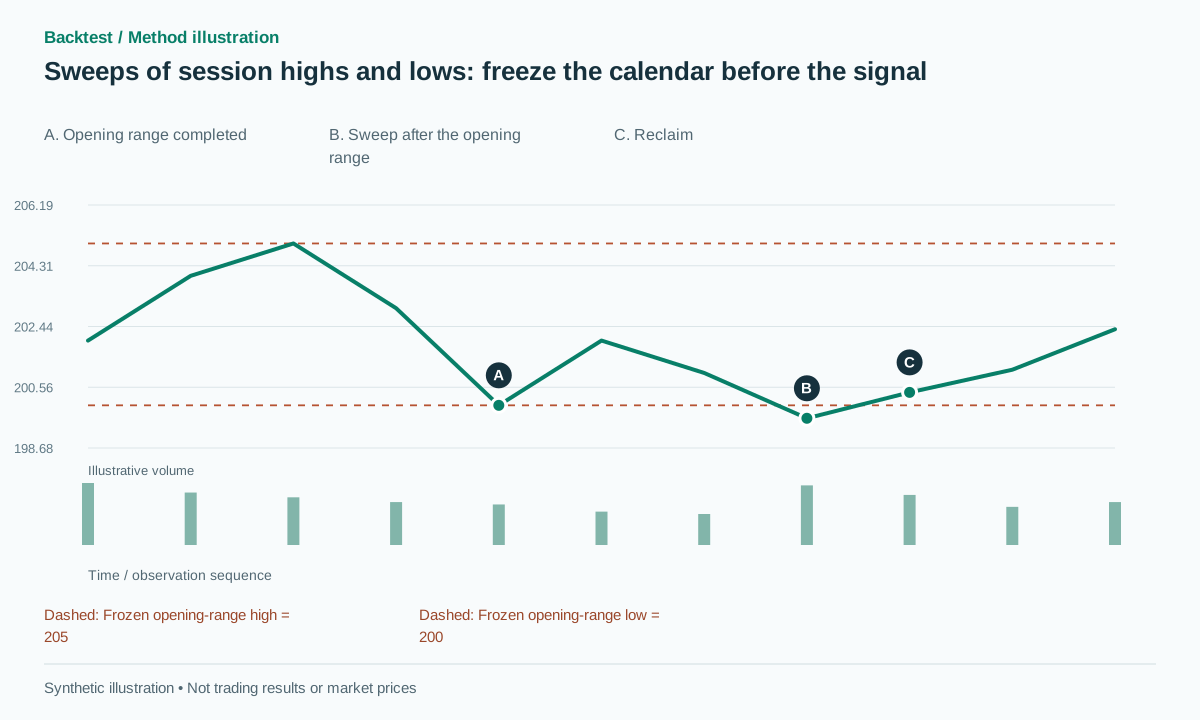
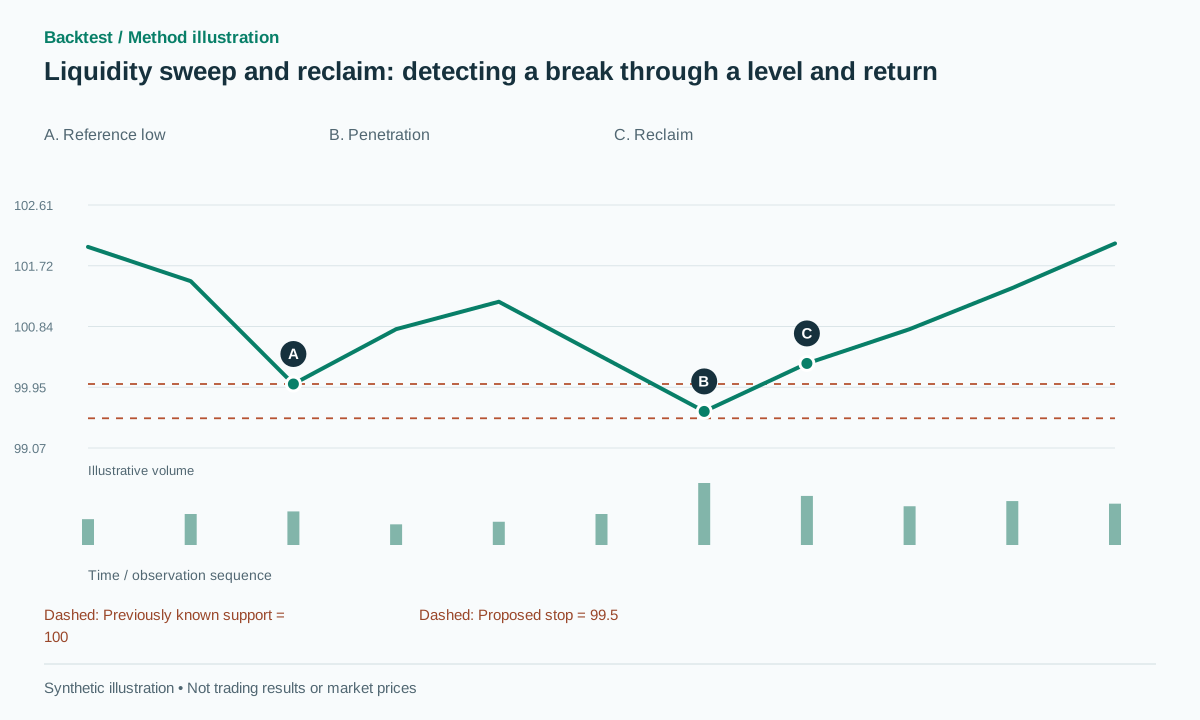
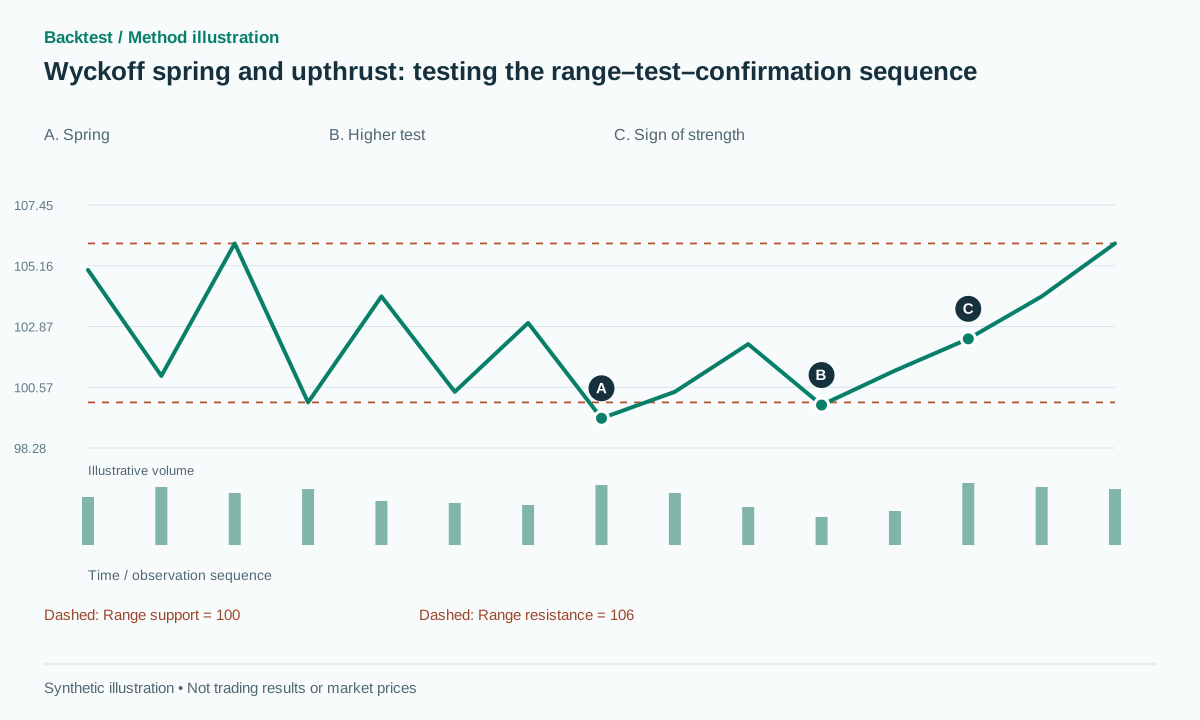
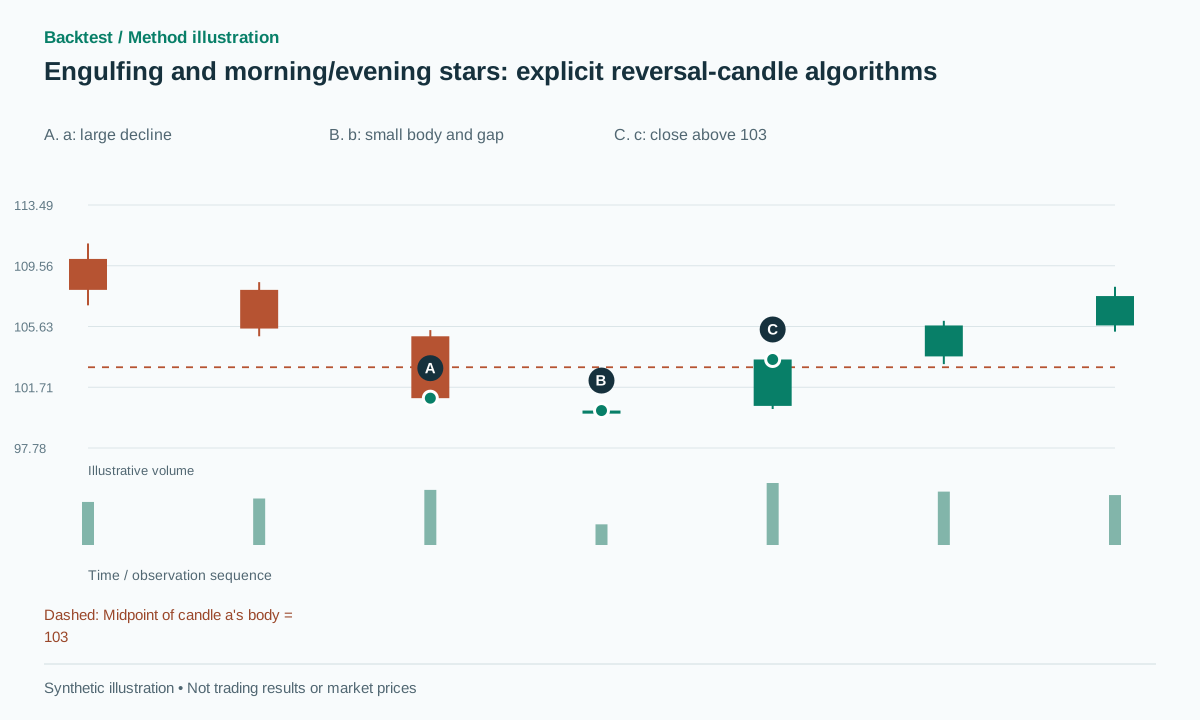
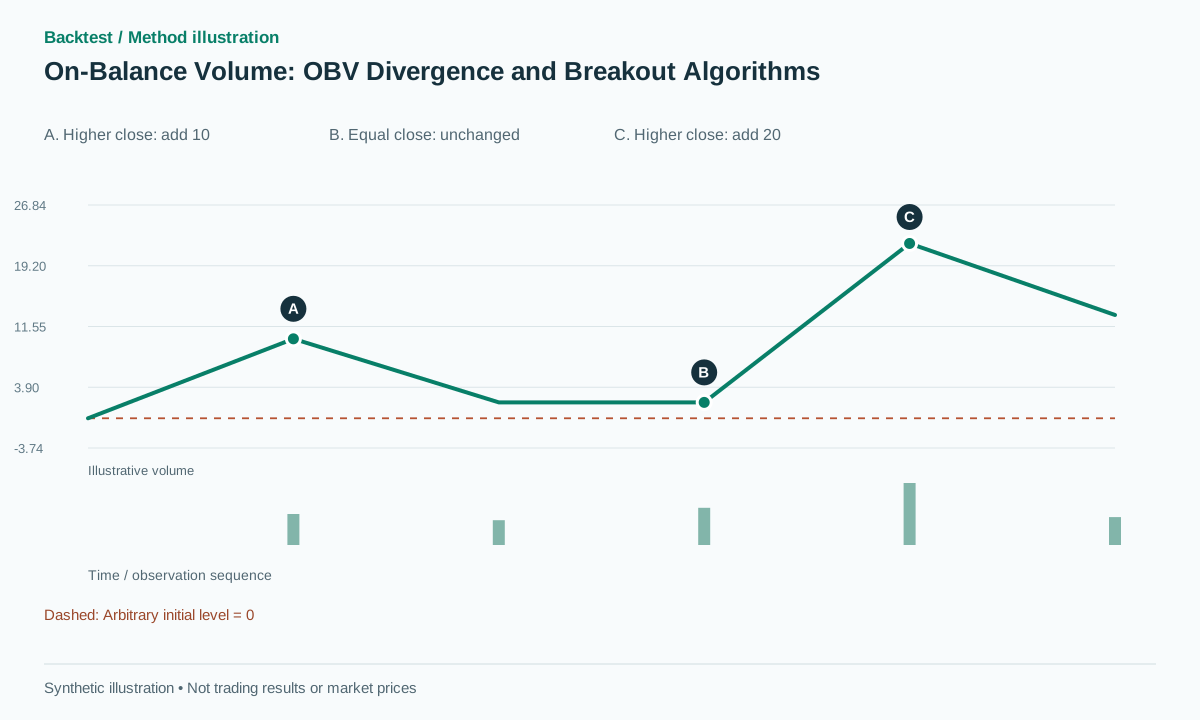
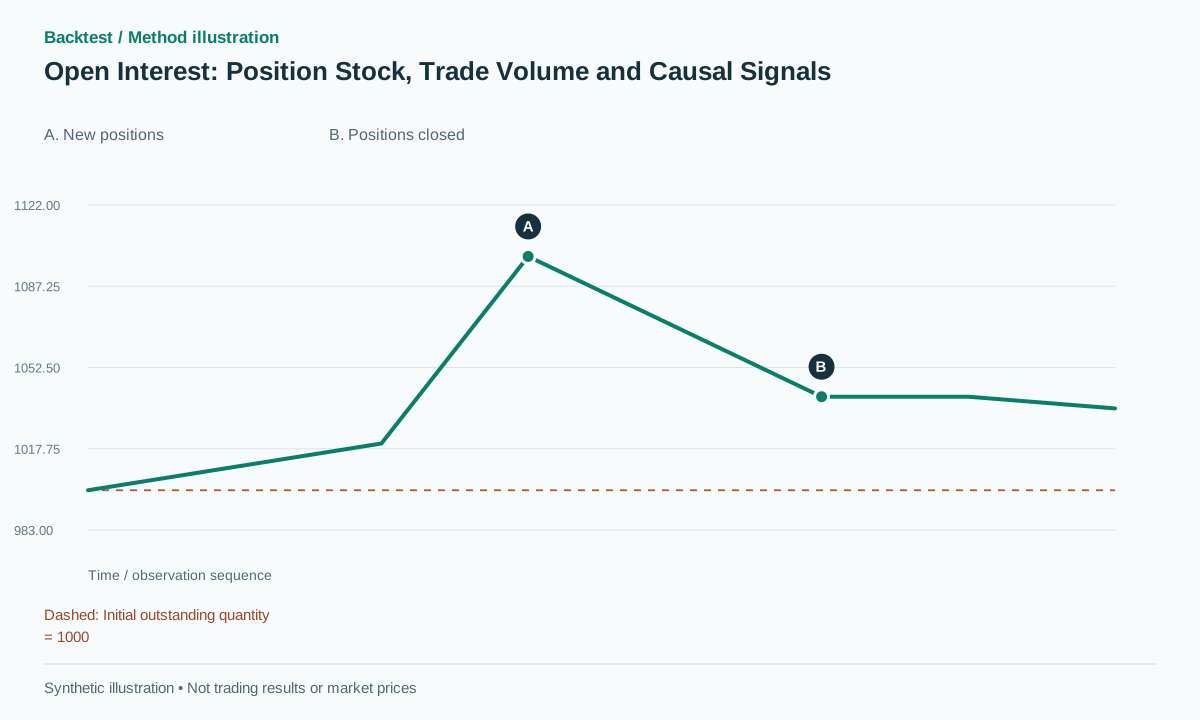
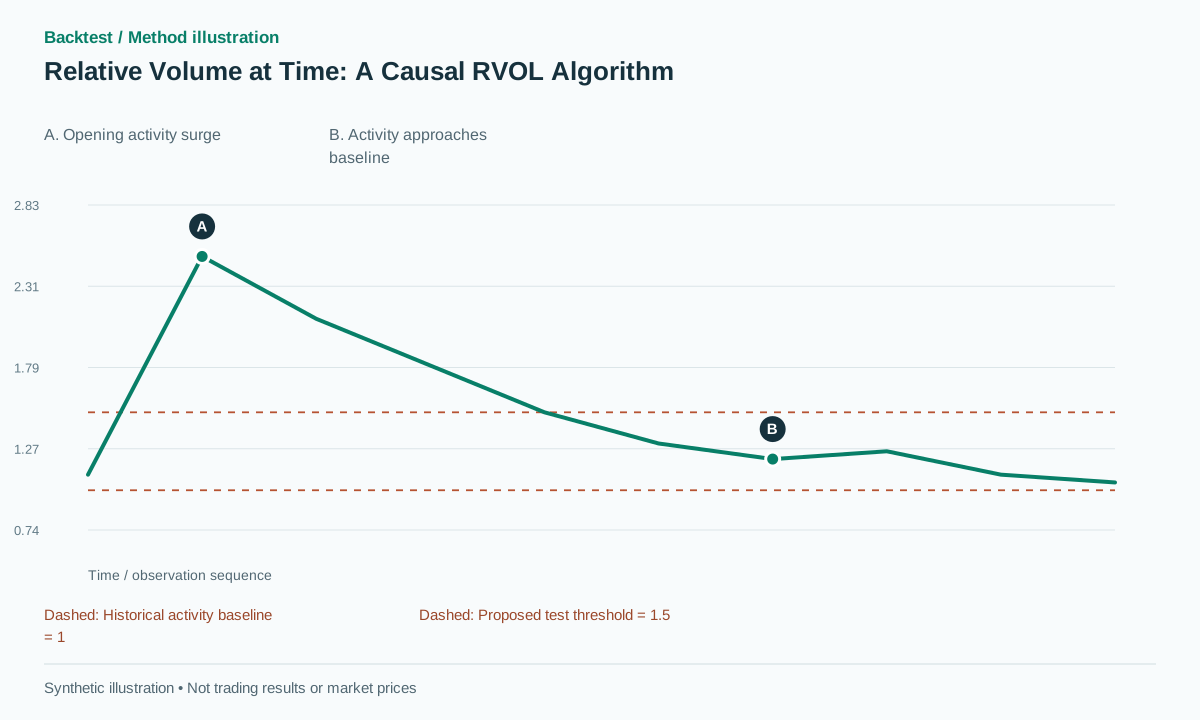
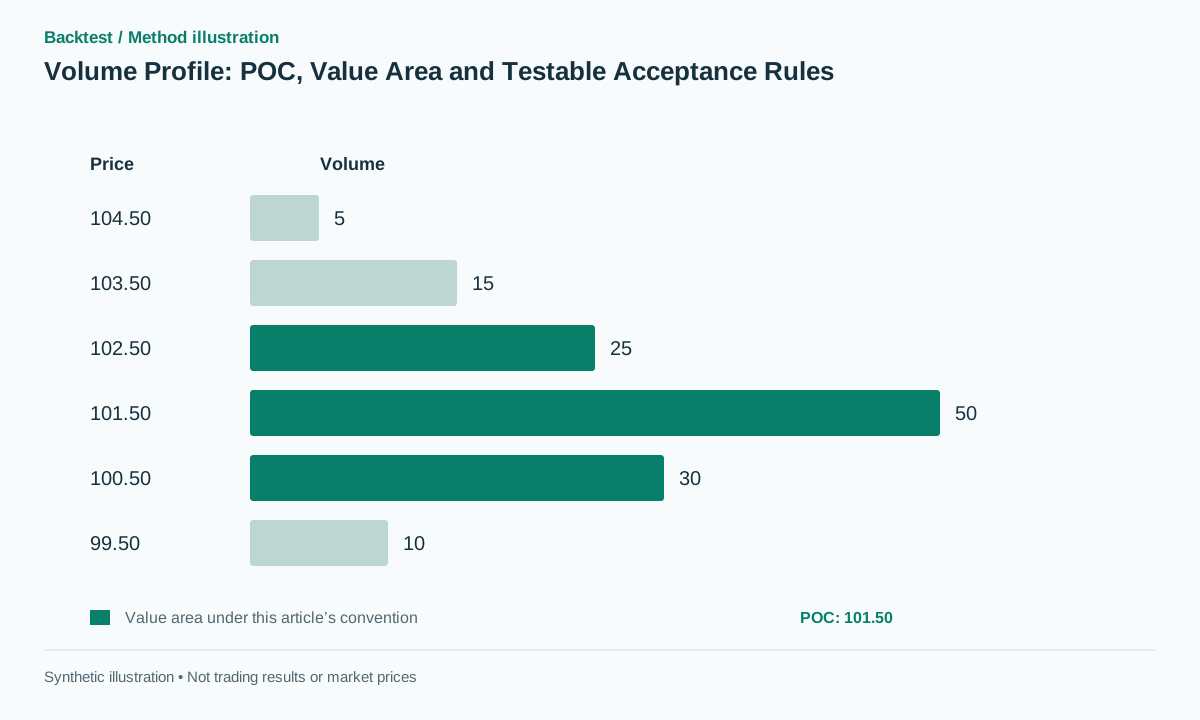
Each guide connects concepts with diagrams, algorithms, failure examples and research sources. Choose a method to move from recognition to evaluating evidence.
68 method guides
No matching results. Try a shorter search term or select All.
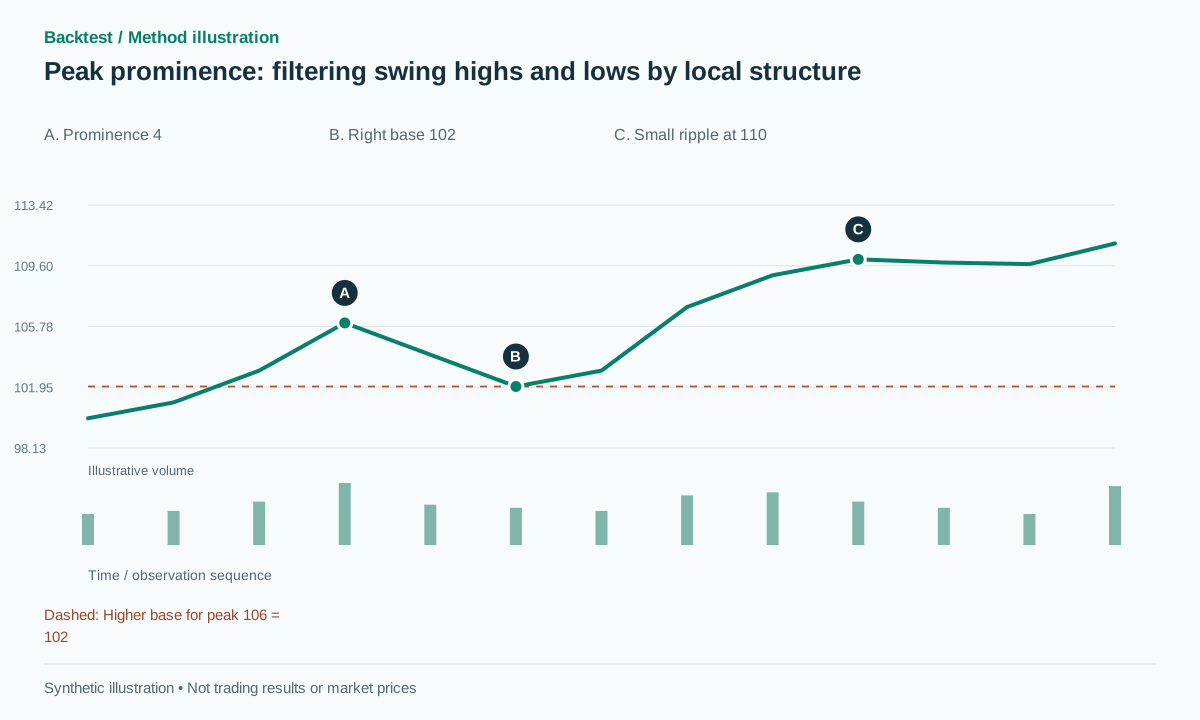
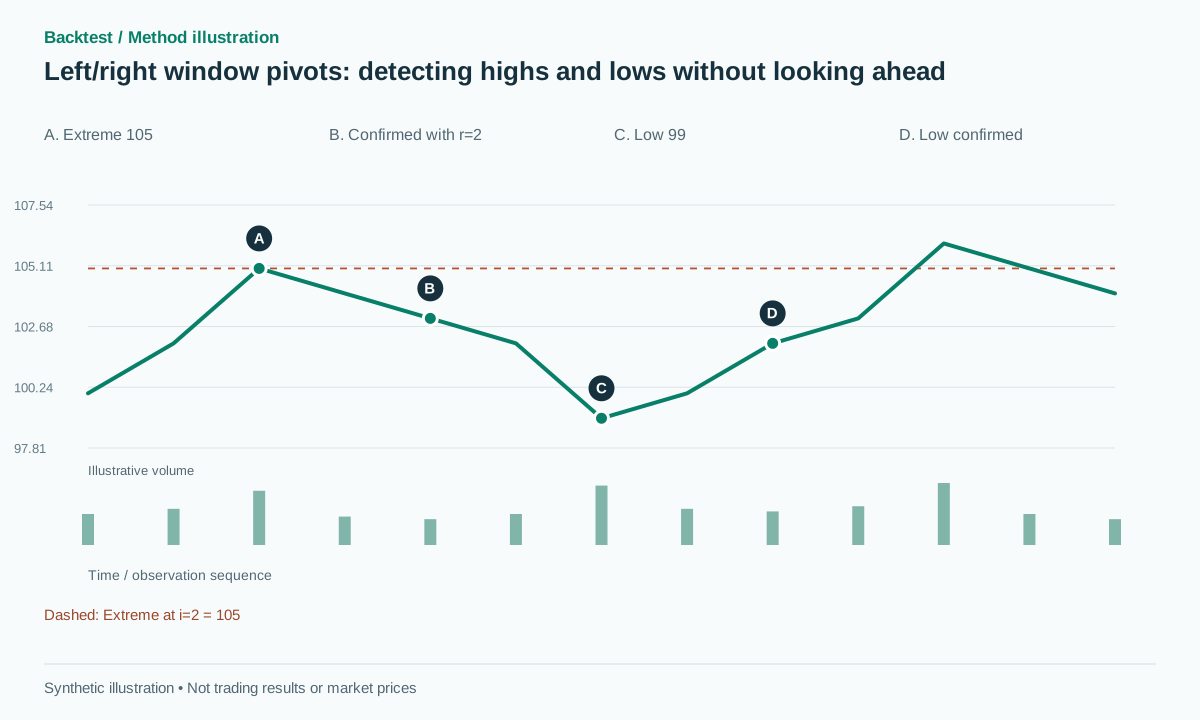
Distinguish prominence from height, width and distance, then build a causal fixed-window peak detector with numerical examples, volume and replay tests.
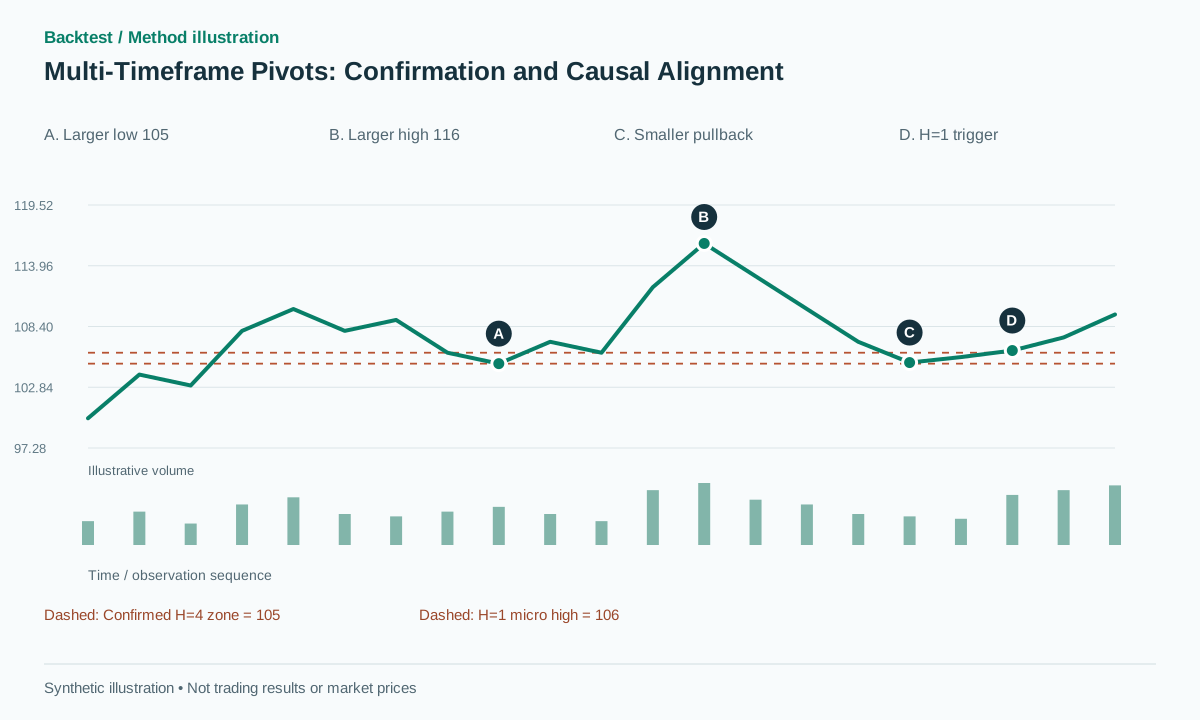
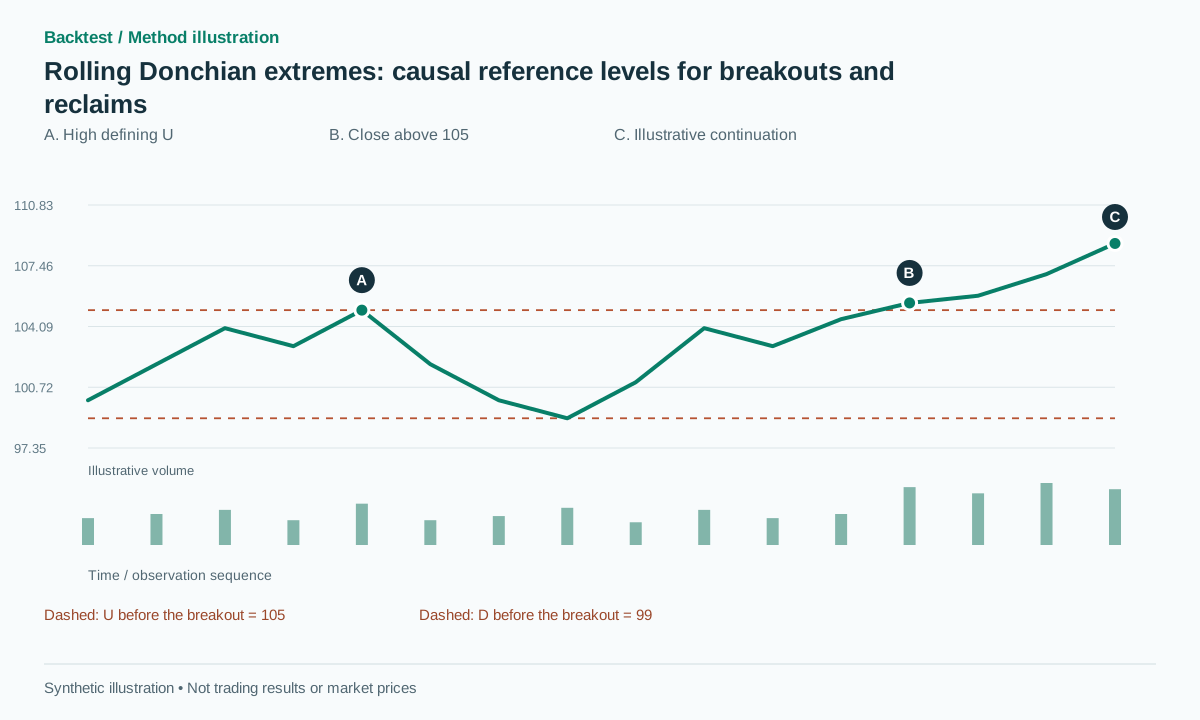
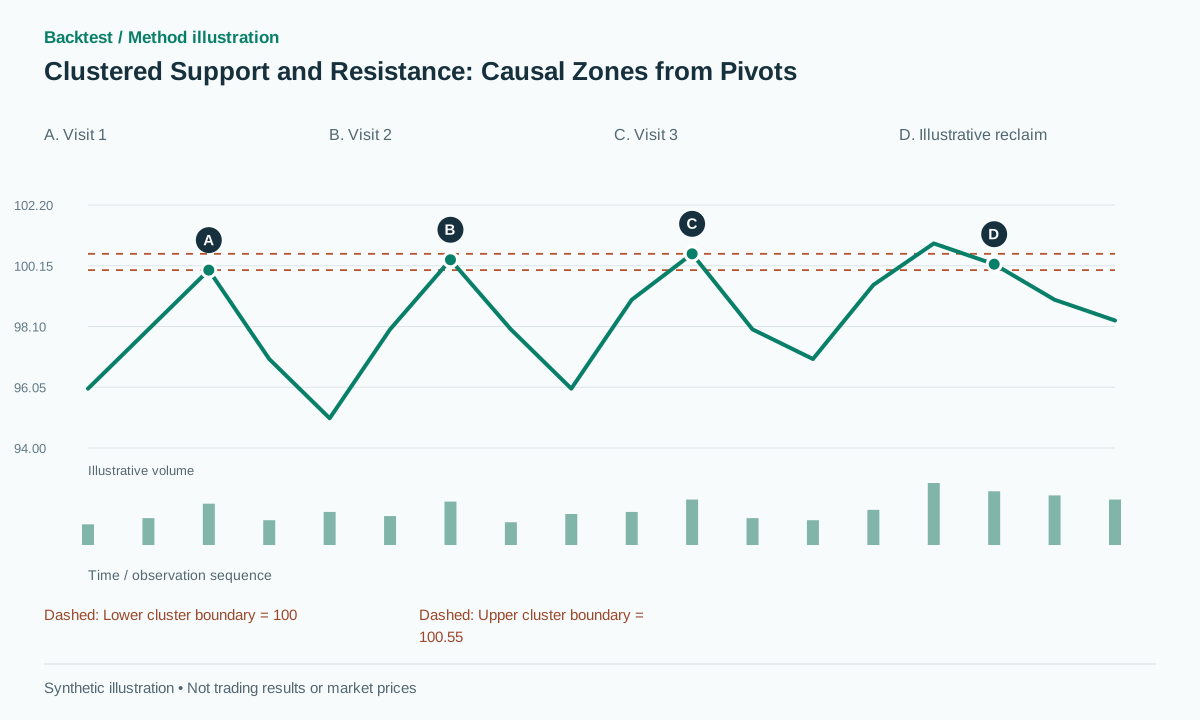
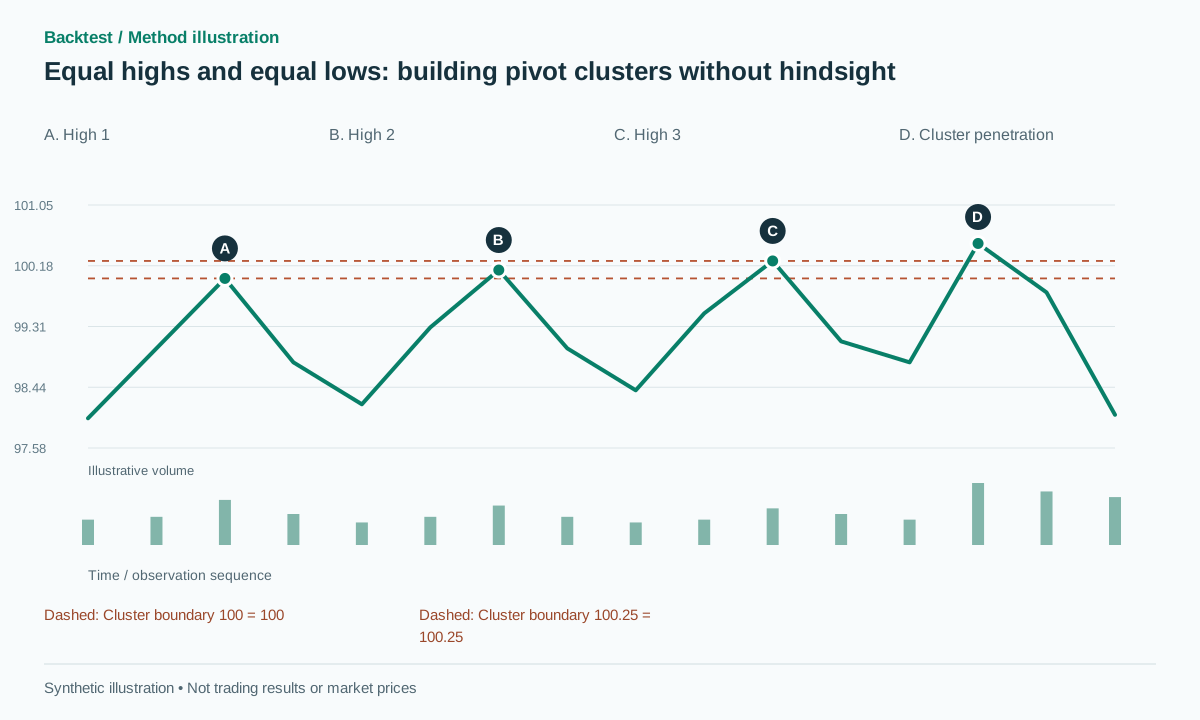
Build a causal window-pivot detector with confirmation timestamps, plateau and outside-bar rules, volume features and reproducible implementation tests.
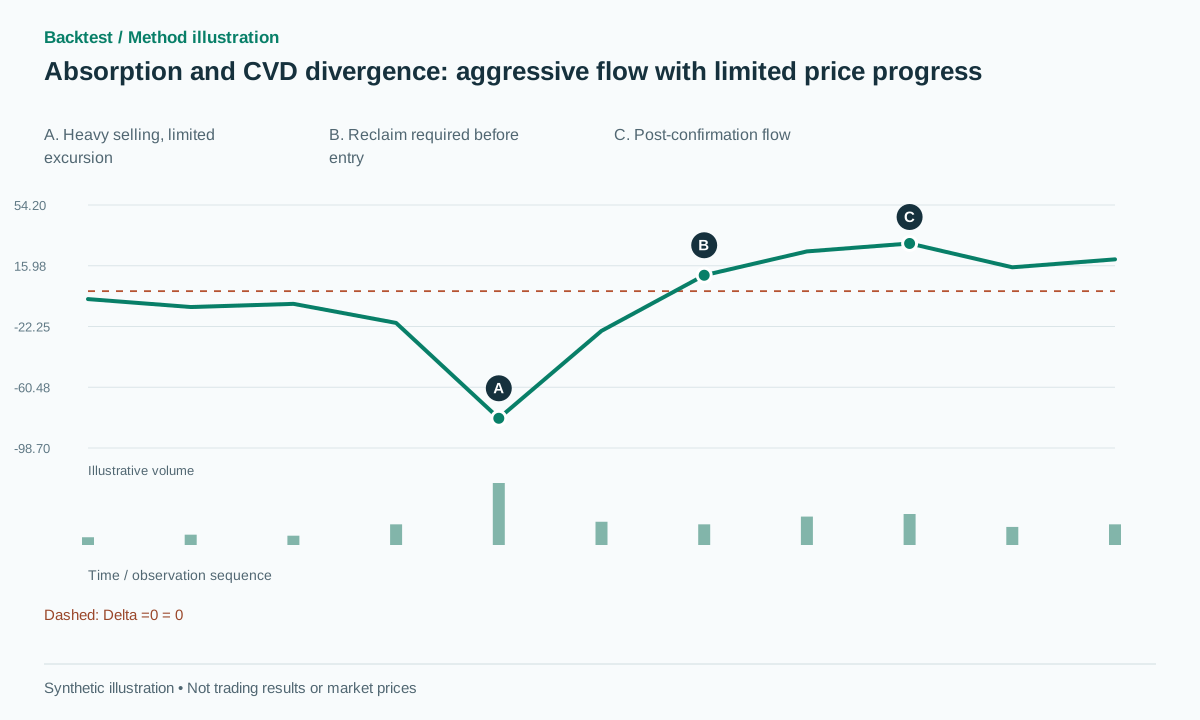
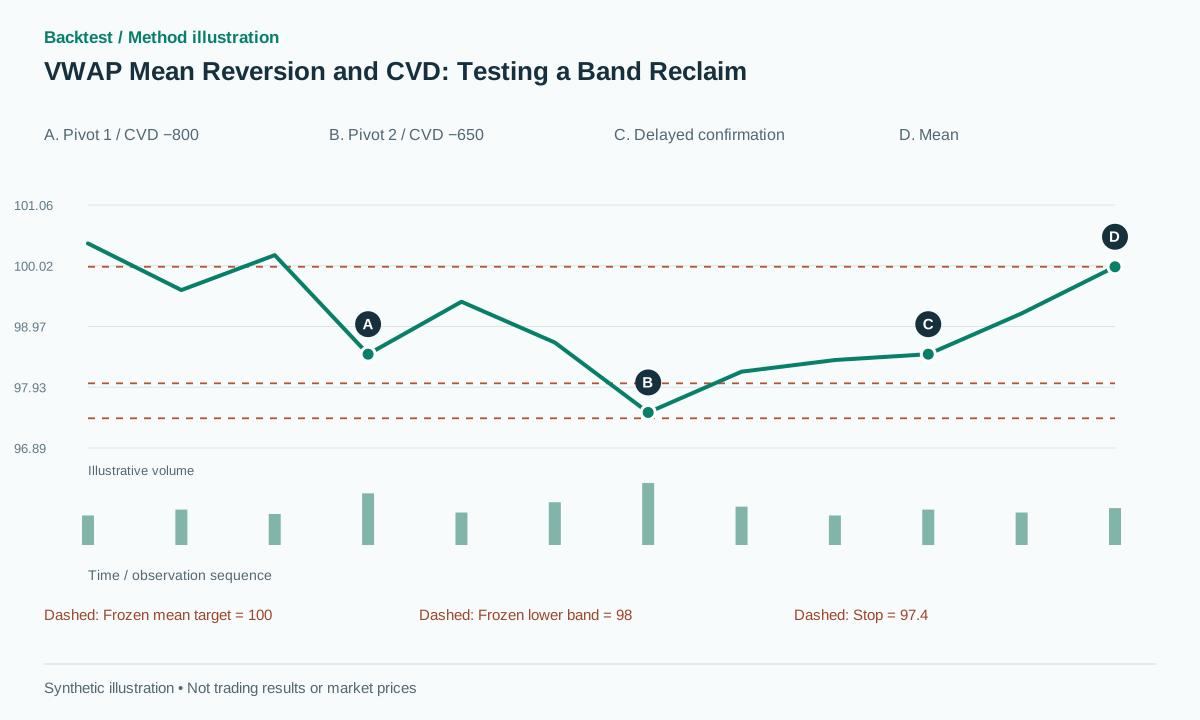
Separate absorption from CVD divergence, build causal detectors from classified trades and price, and test reclaim entries against price-only controls.
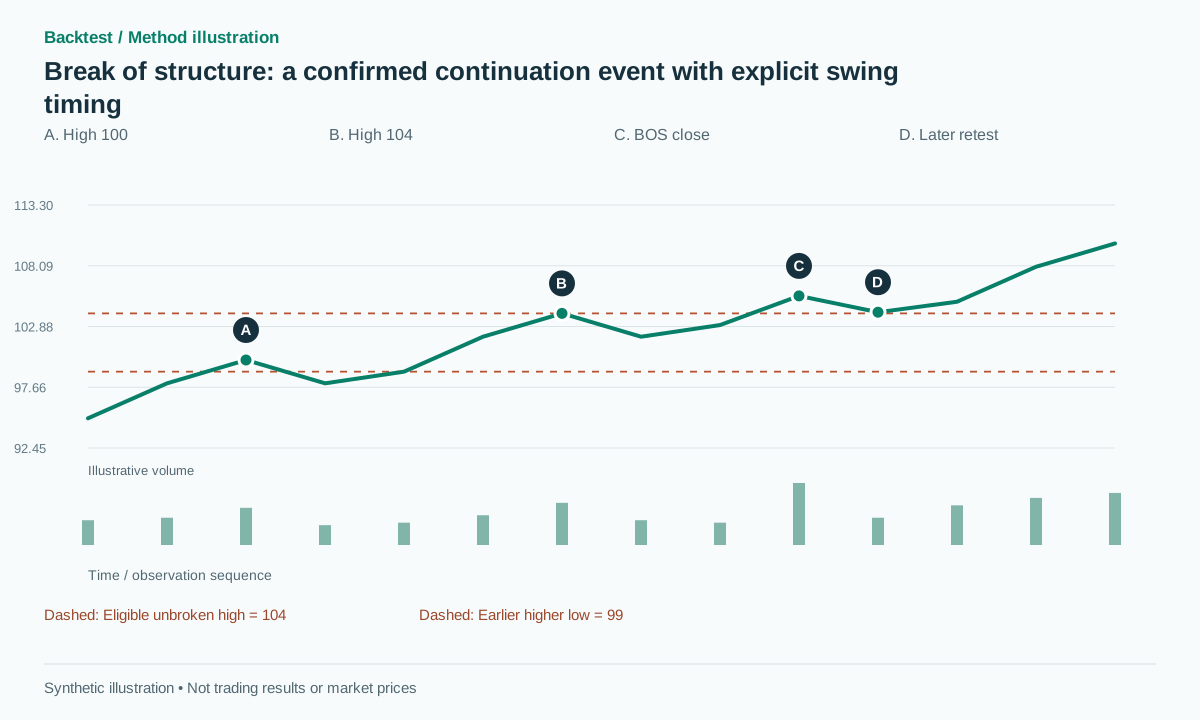
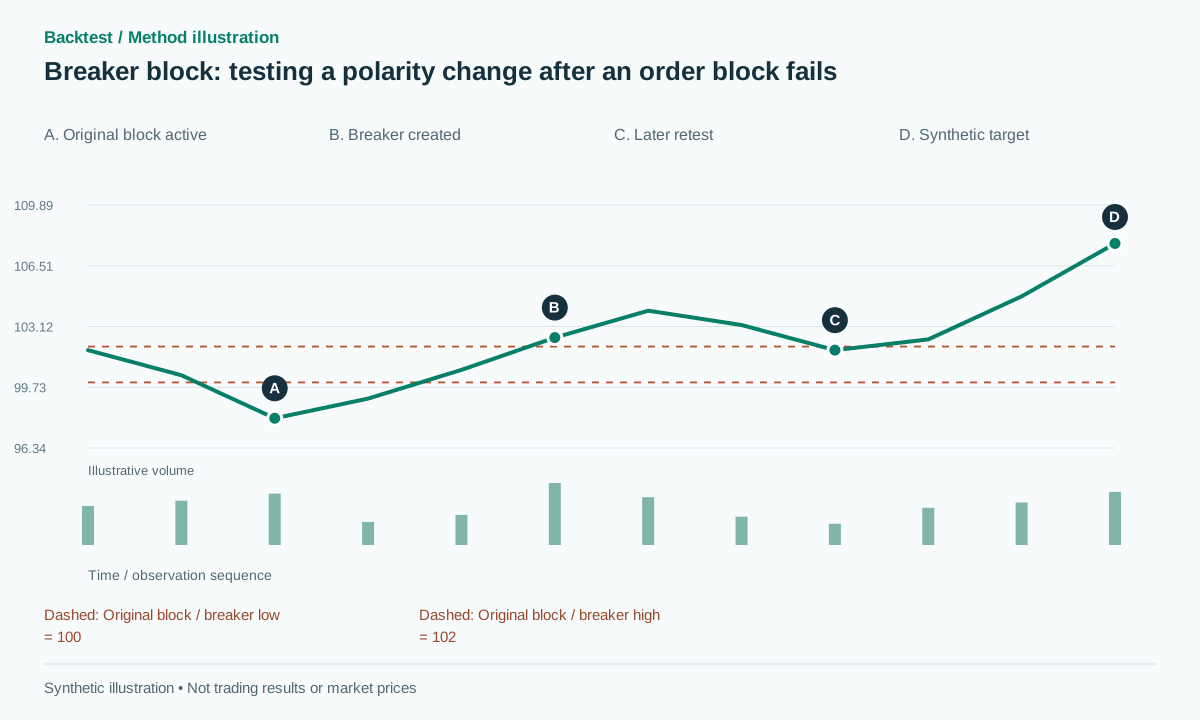
Create a new breaker event from an invalidated order block, track the first retest and preserve the original loss, timestamps and execution assumptions.
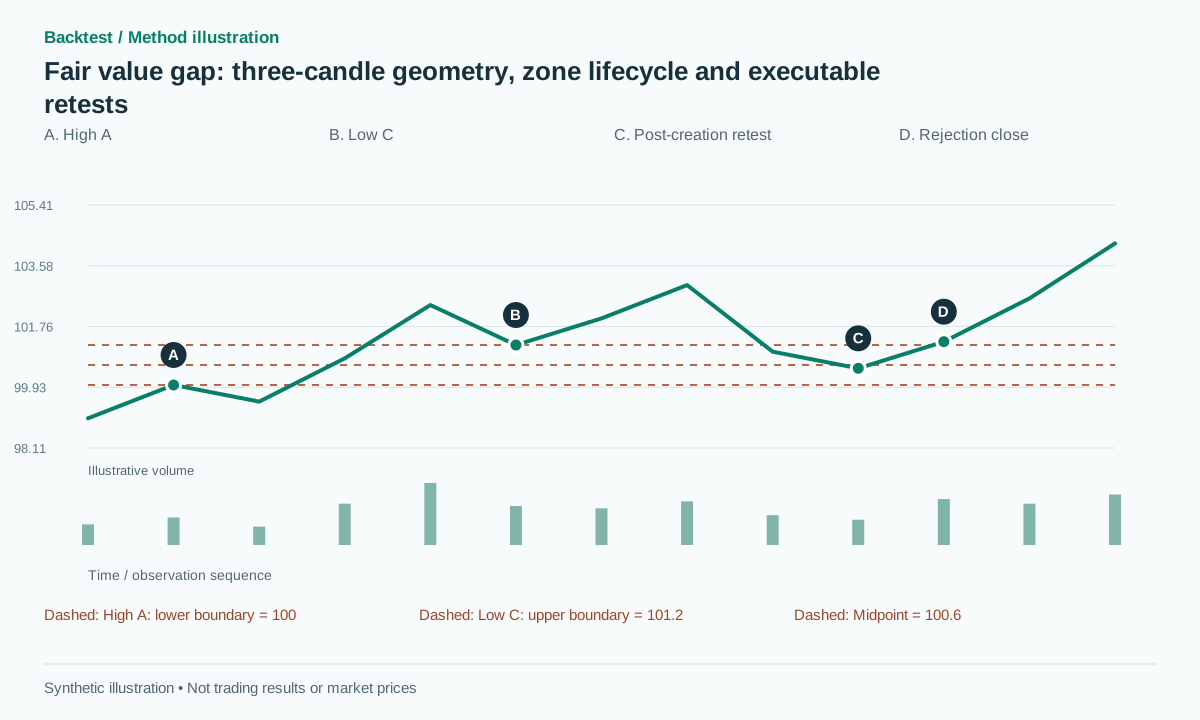
Define bullish and bearish FVGs after the third candle closes, distinguish touches from invalidation and compare midpoint limits with confirmation entries.
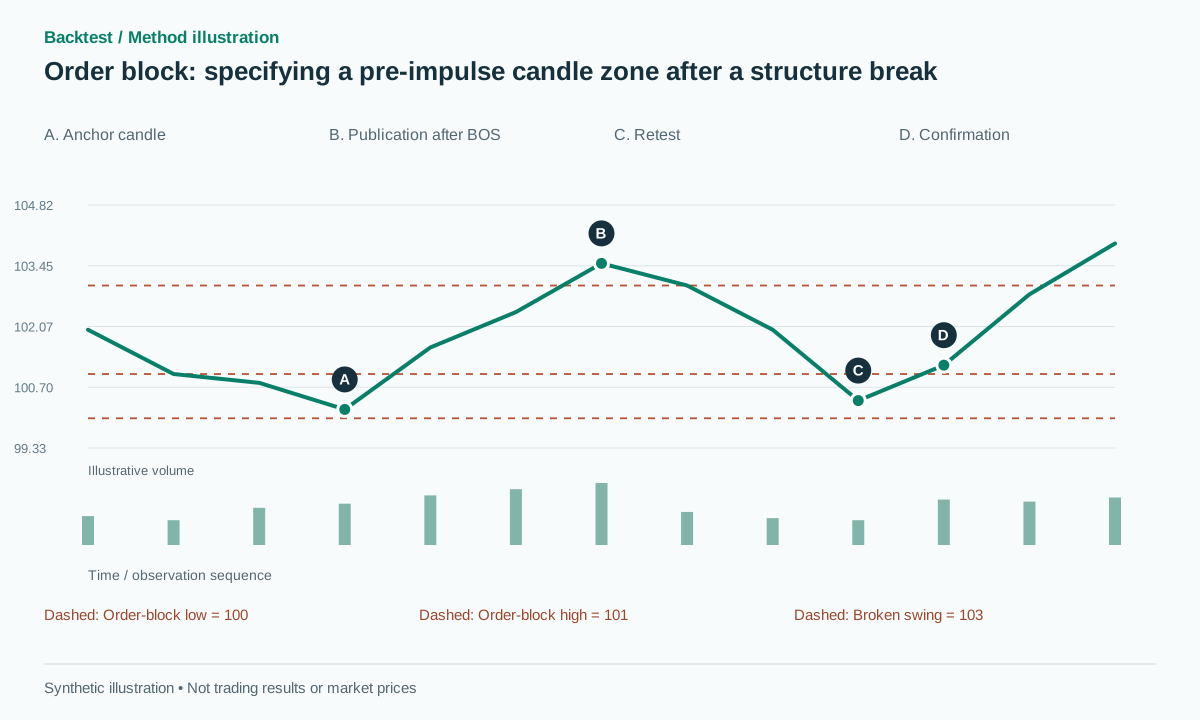
Define an order block with an explicit impulse, anchor-selection window, publication time and retest lifecycle rather than identifying institutional orders.
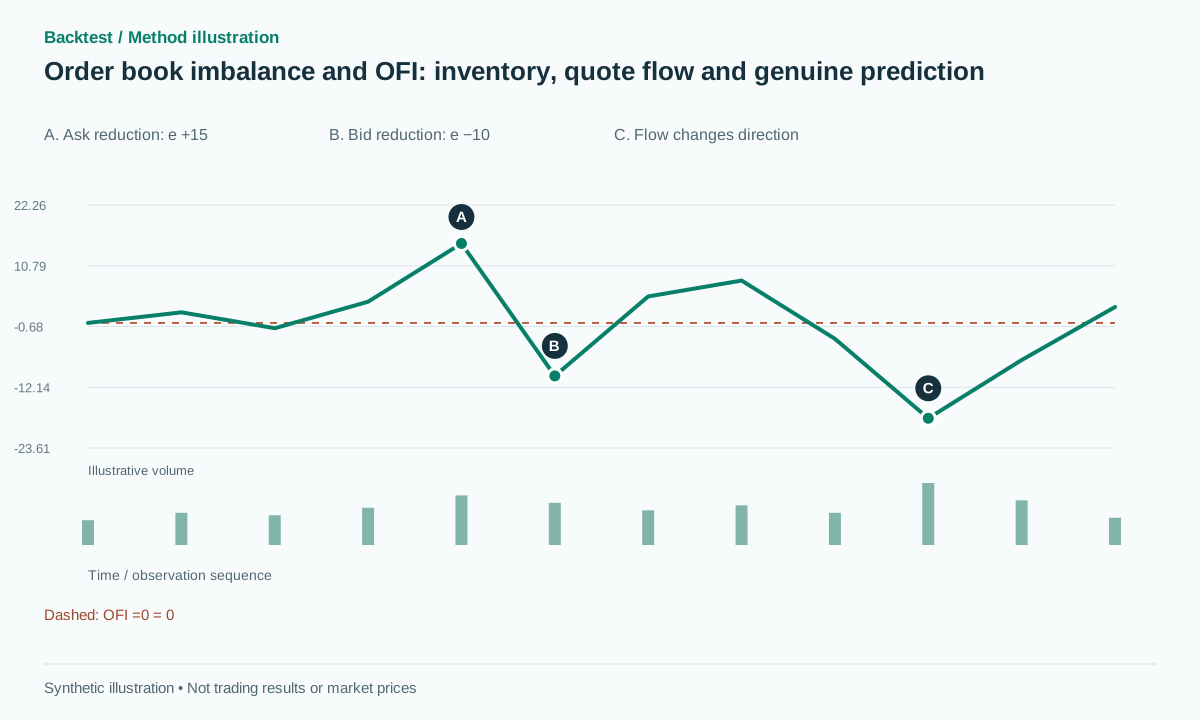
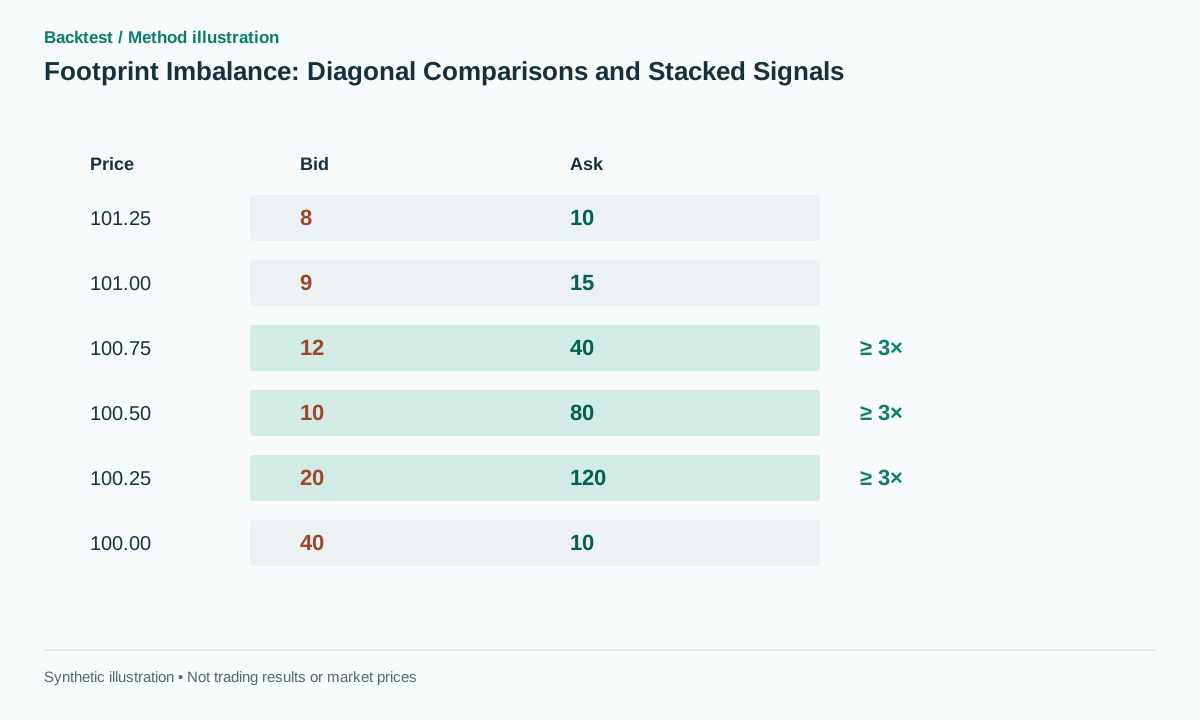
Calculate OBI and OFI with correct quote timing, distinguish contemporaneous price impact from prediction and model latency, spread and queue execution.
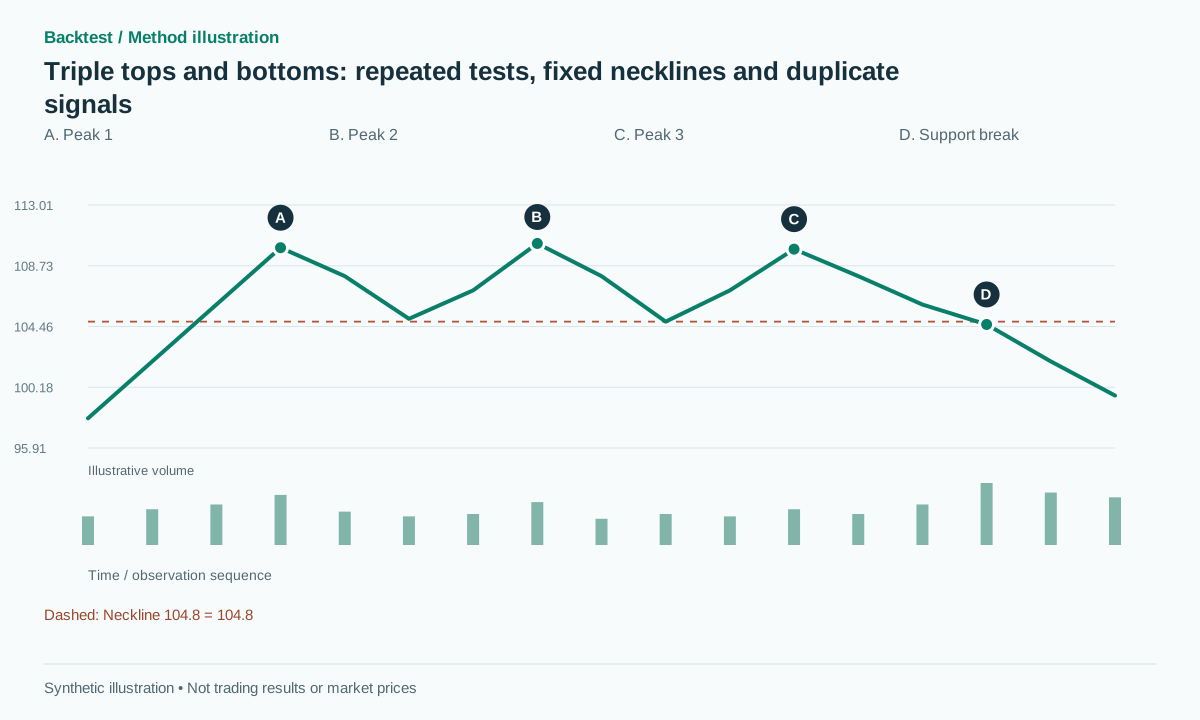
Define triple tops and bottoms with confirmed pivots, fixed necklines and volume tests, while preventing repeated labels from becoming duplicate trades.
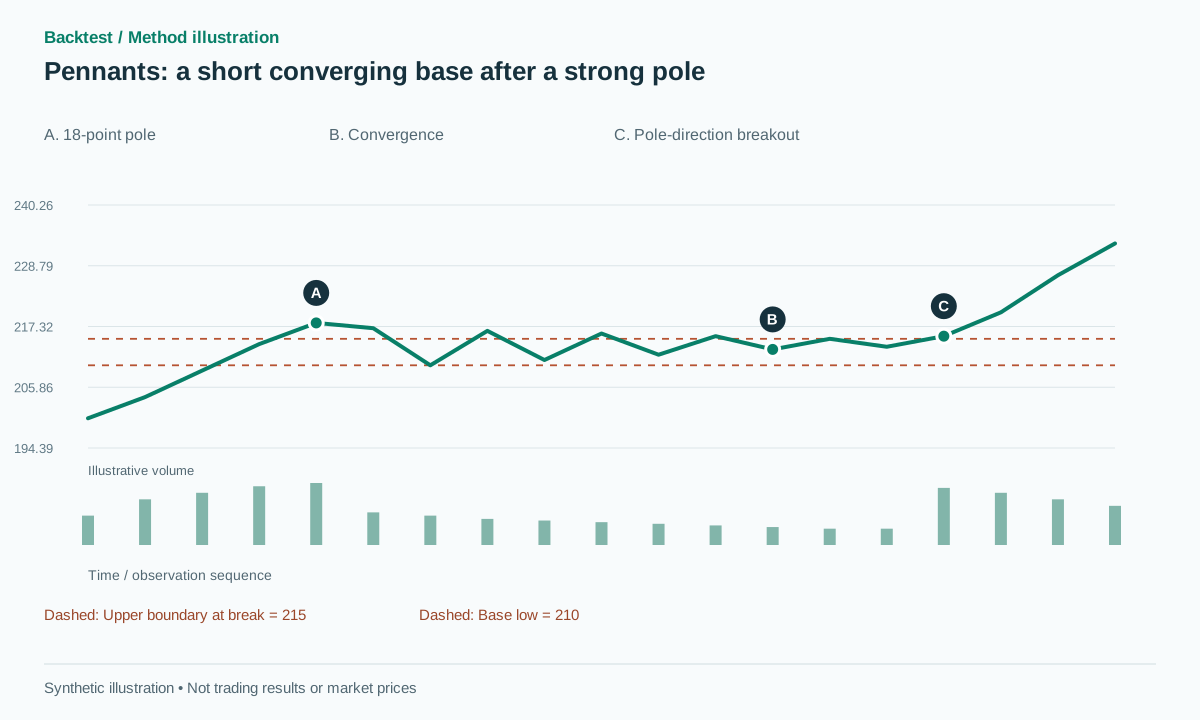
Separate bullish and bearish pennants from ordinary triangles using a strong pole, short duration and causal pivots, with volume, stops and numerical cases.
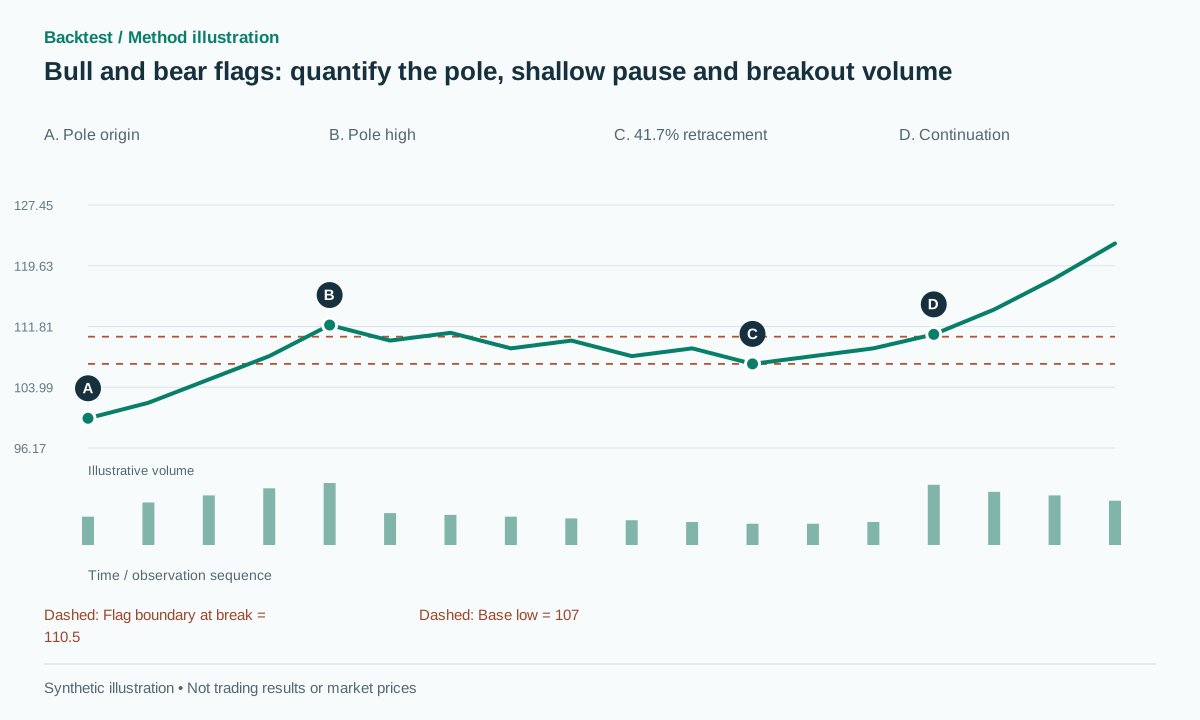
Define bull and bear flags with pole magnitude, path efficiency and a shallow parallel base, then test causal entries, volume filters and execution risk.
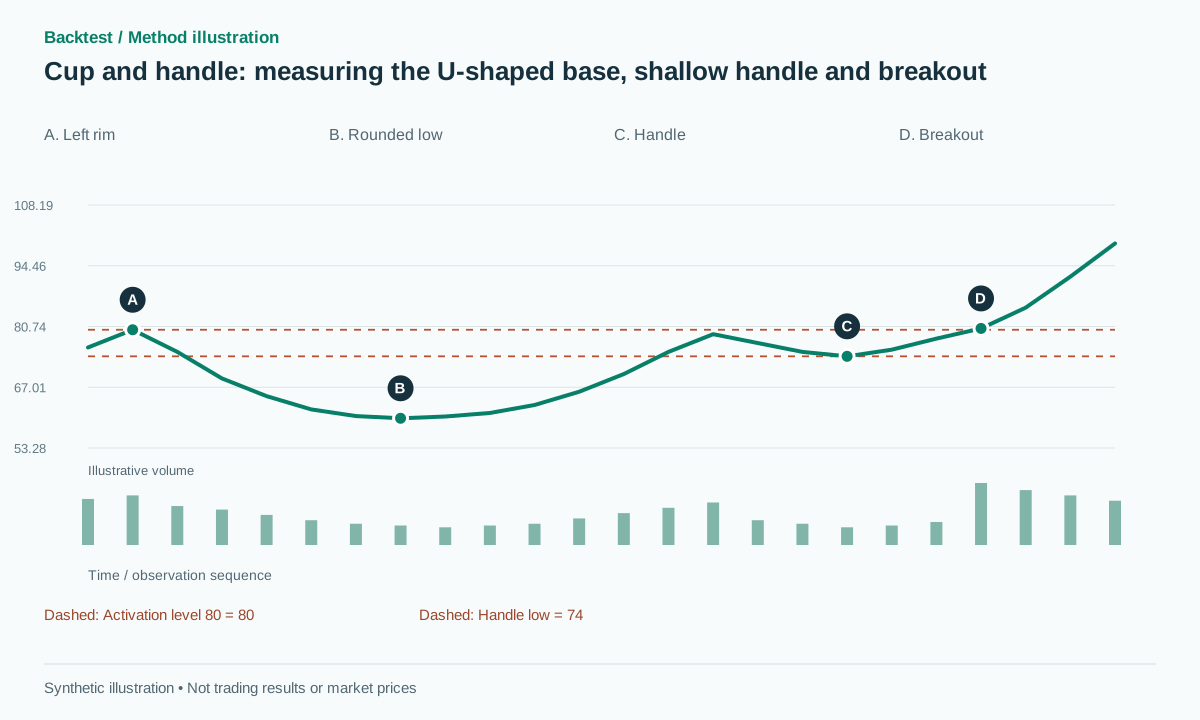
Build a causal cup-and-handle detector using rim tolerance, curvature, bottom dwell and a confirmed handle, with volume tests and numerical trade examples.
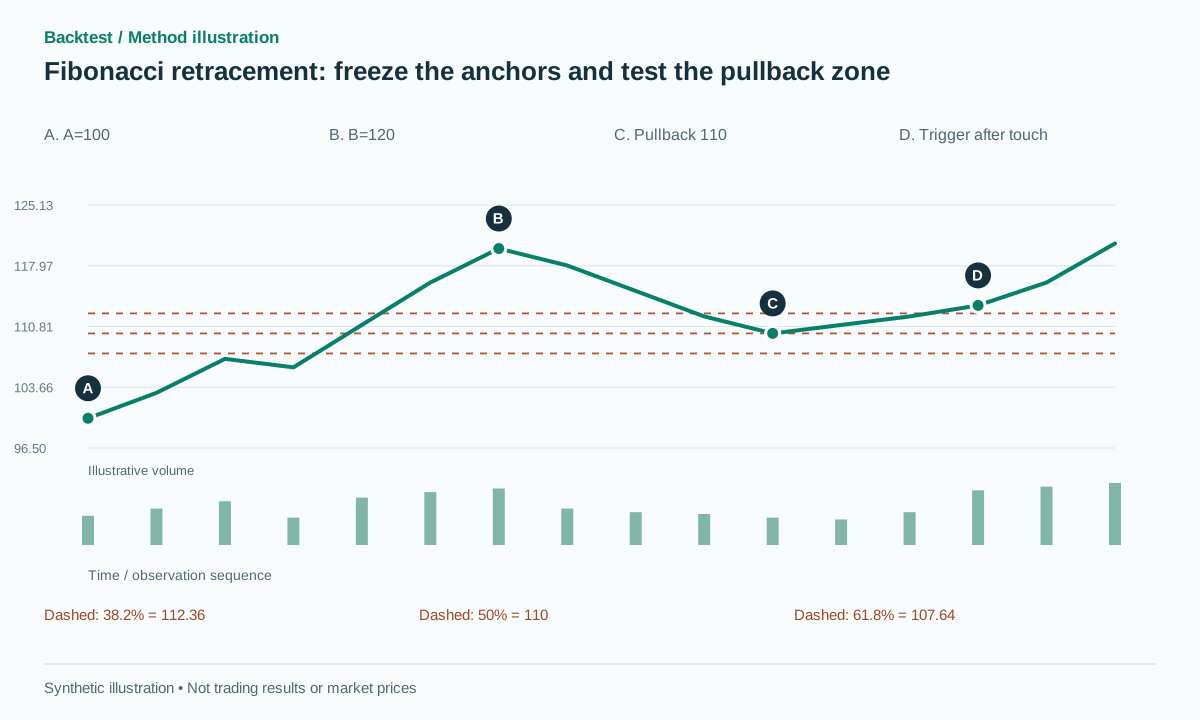
Turn Fibonacci retracement into a testable feature with causal swing anchors, fixed zones, separate triggers, volume controls and non-Fibonacci comparisons.
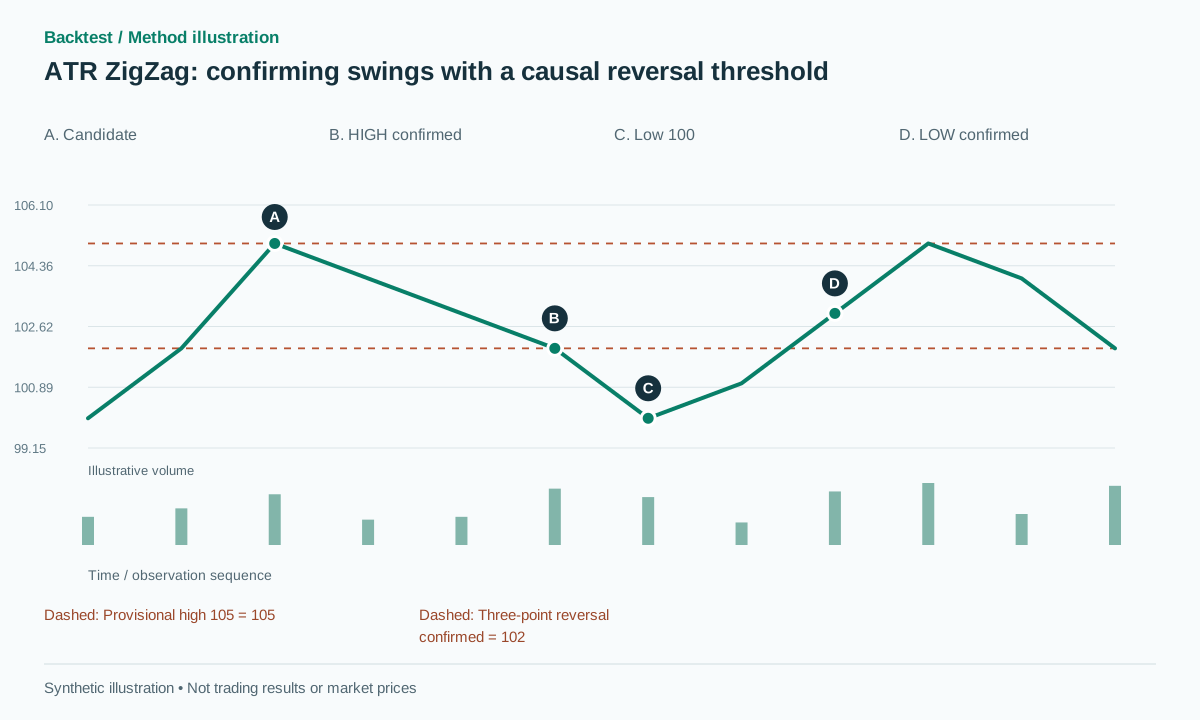
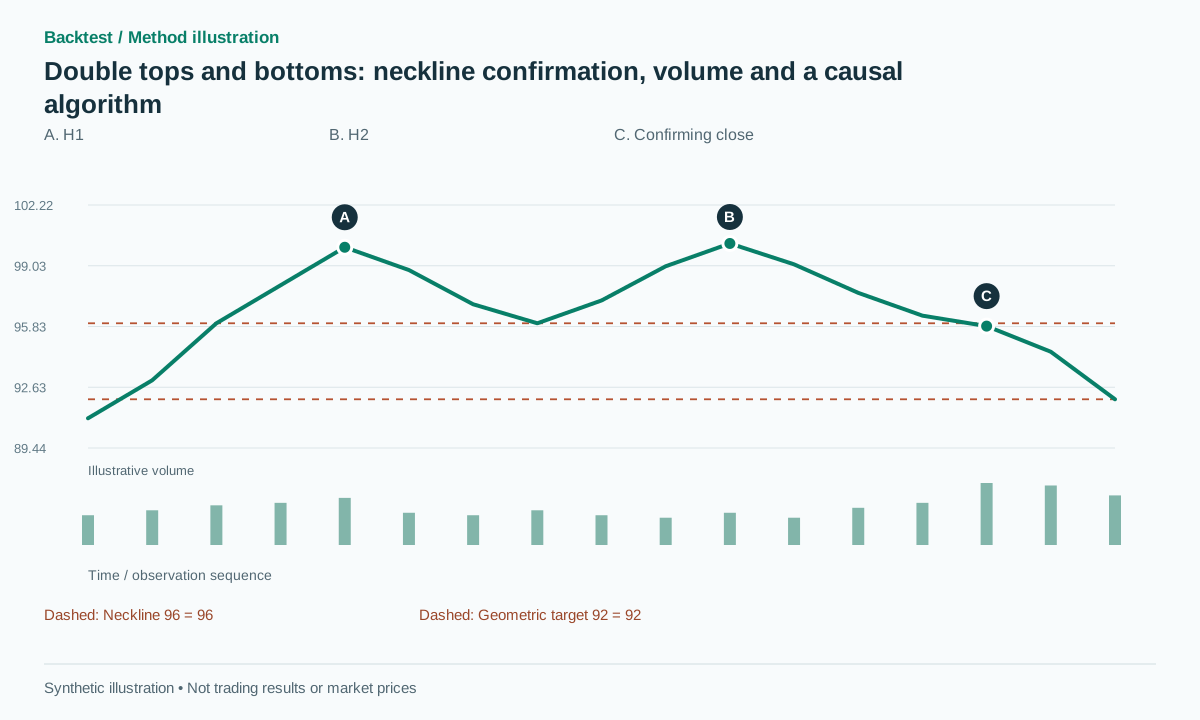
Build a causal double-top and double-bottom detector, test volume filters, calculate neckline risk, and reject valid patterns with poor reward-to-risk.
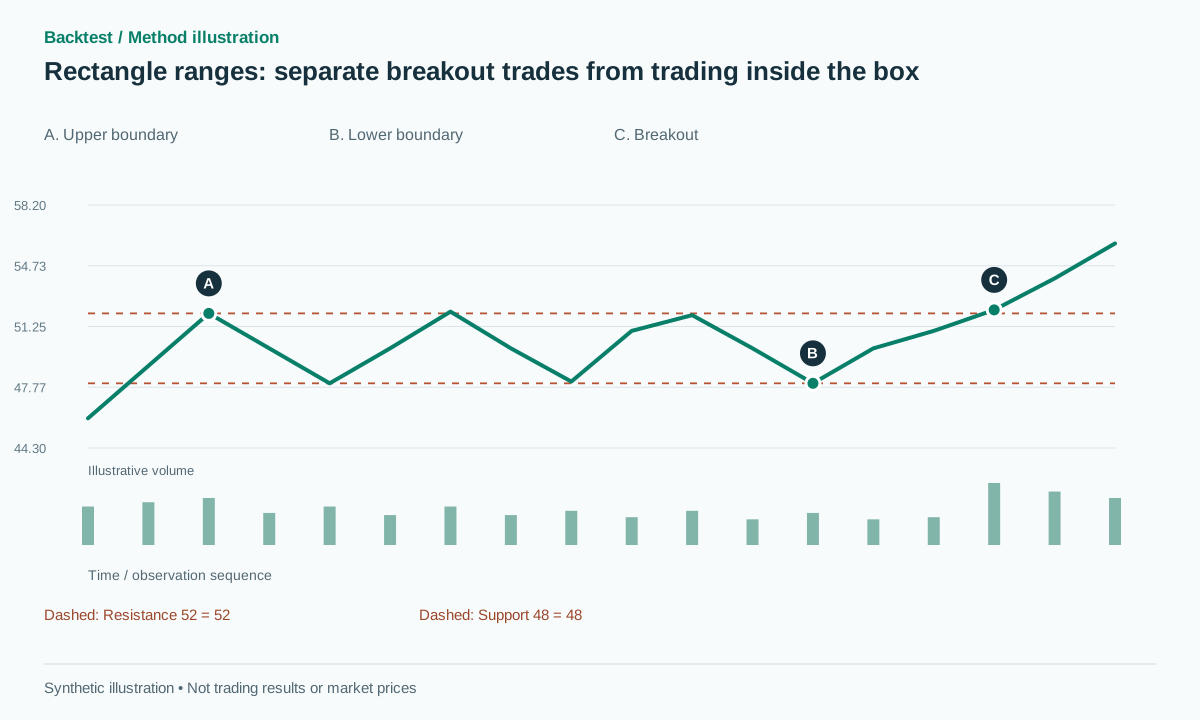
Detect a rectangle with flat boundaries, independent touches and frozen levels; compare breakout and range-bounce strategies with volume and execution tests.
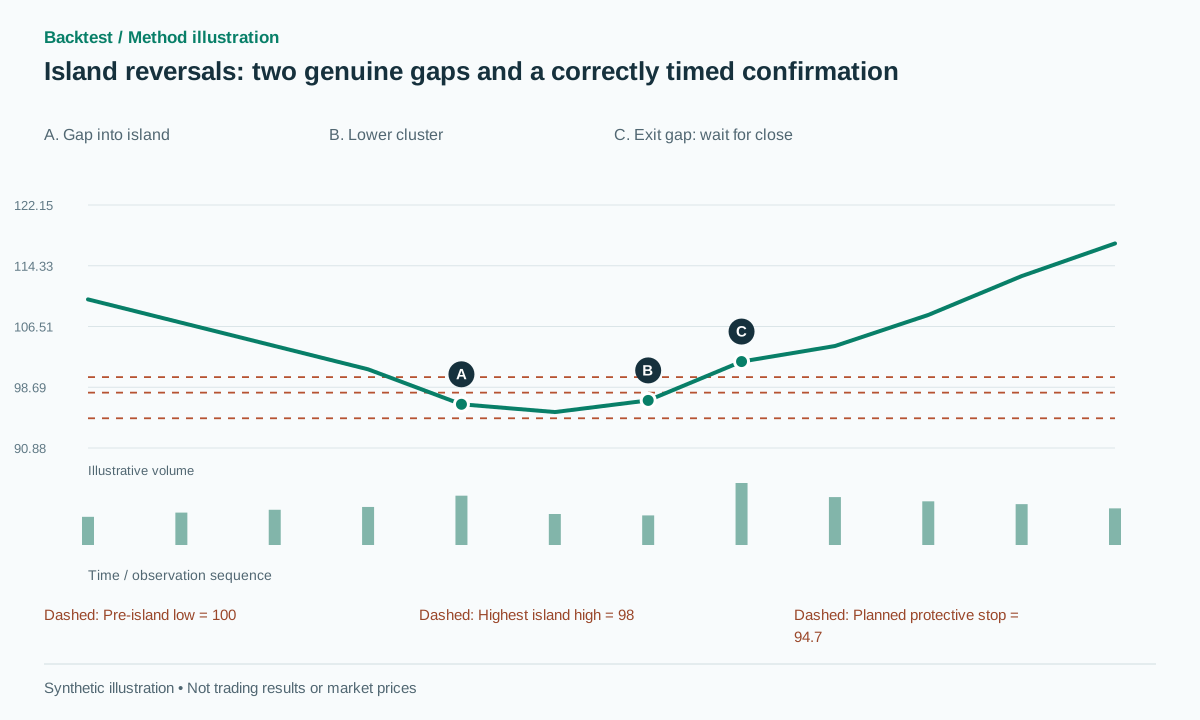
Detect island reversals using opposing high-low gaps, validated sessions and completed bars, with volume tests, actual gap fills and synthetic failure cases.
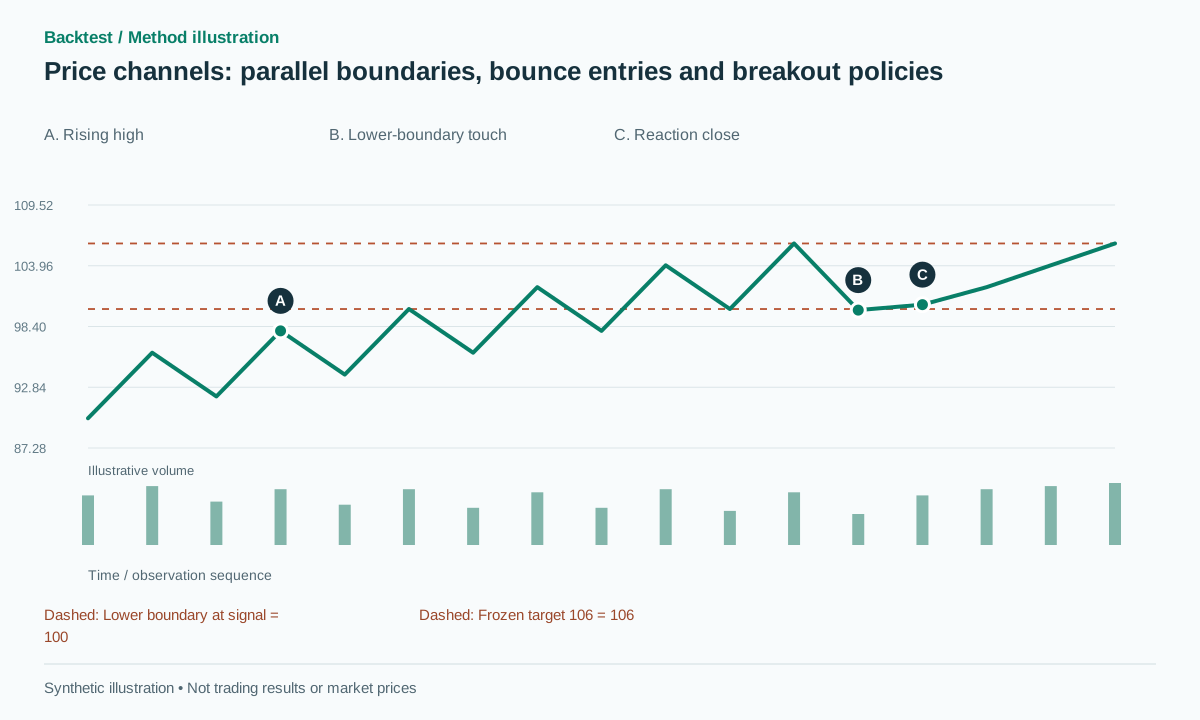
Fit a causal price channel from confirmed pivots, test parallelism and width, then separate bounce and breakout strategies with frozen targets and volume.
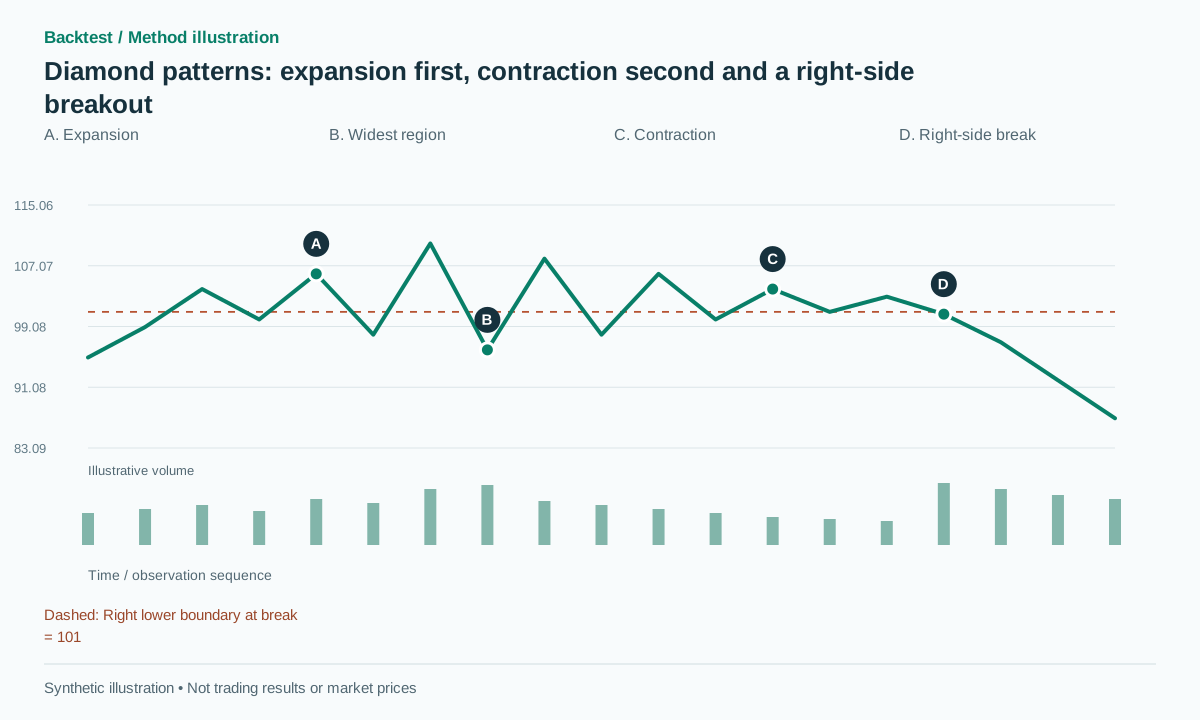
Detect diamond tops and bottoms through two causal phases, limit split-point selection, and test right-side breaks, volume, protection and geometric targets.
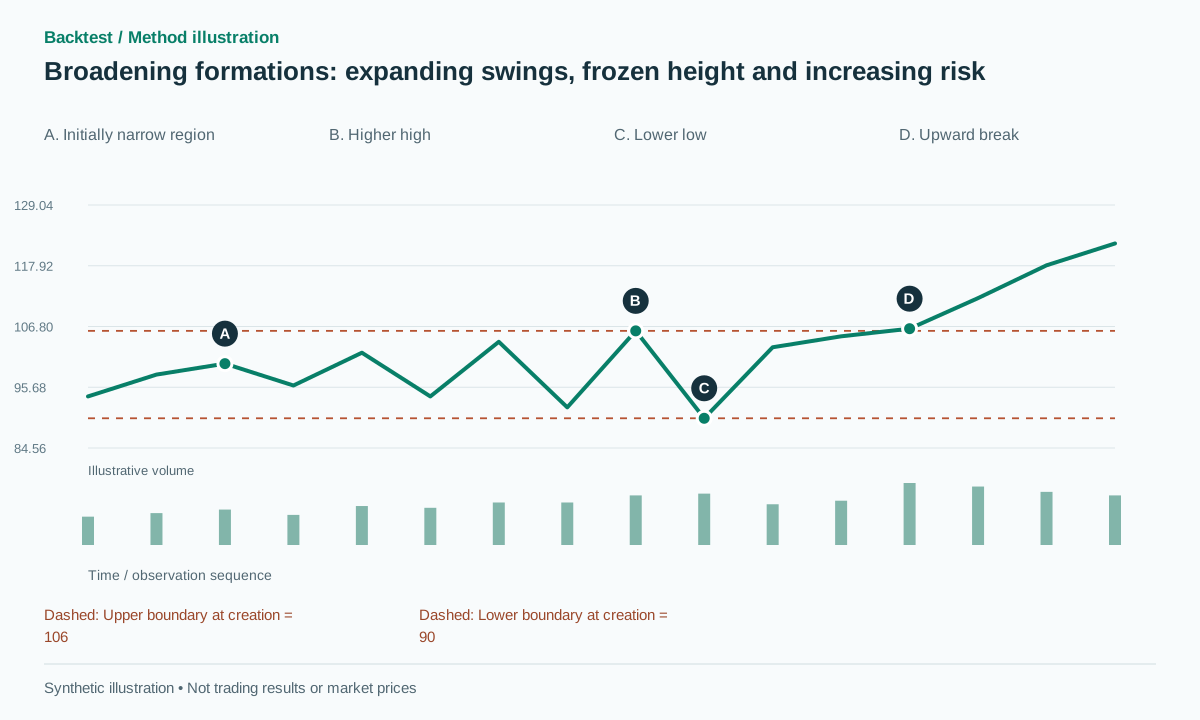
Measure a broadening formation with diverging boundaries, freeze its width before breakout, and distinguish in-range trades from breaks with realistic risk.
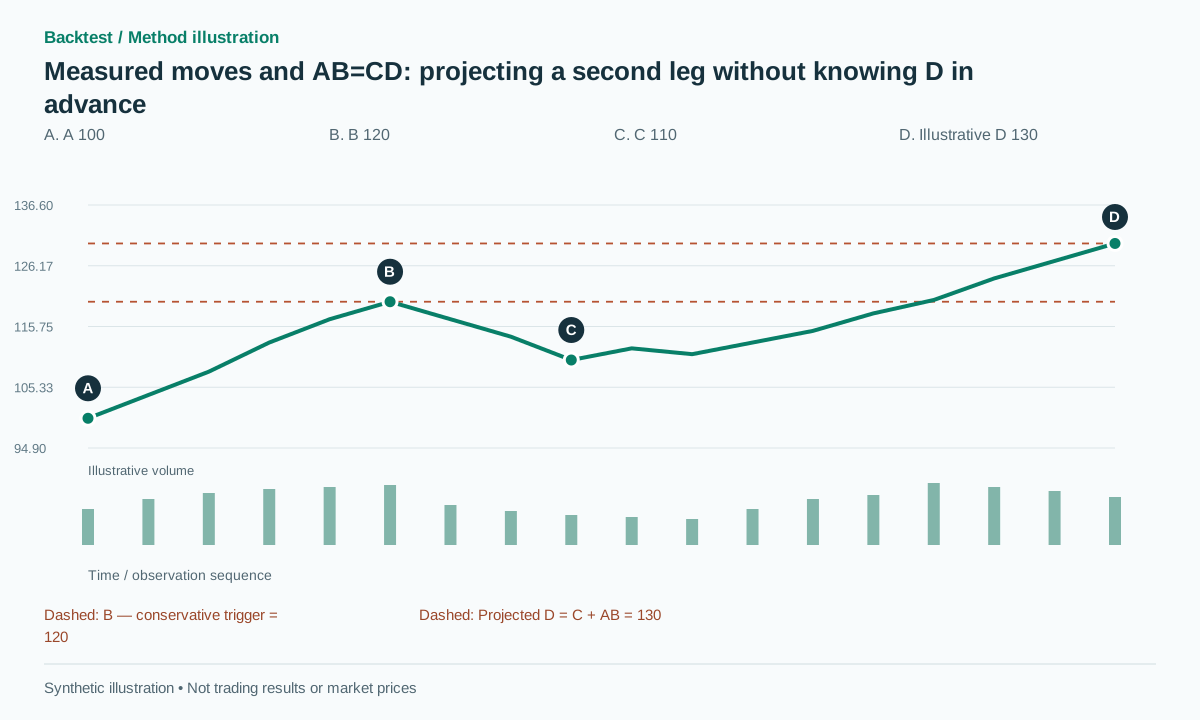
Define measured-move projections in points or percentages, distinguish them from harmonic rules, and test causal entries after C with realistic remaining reward.
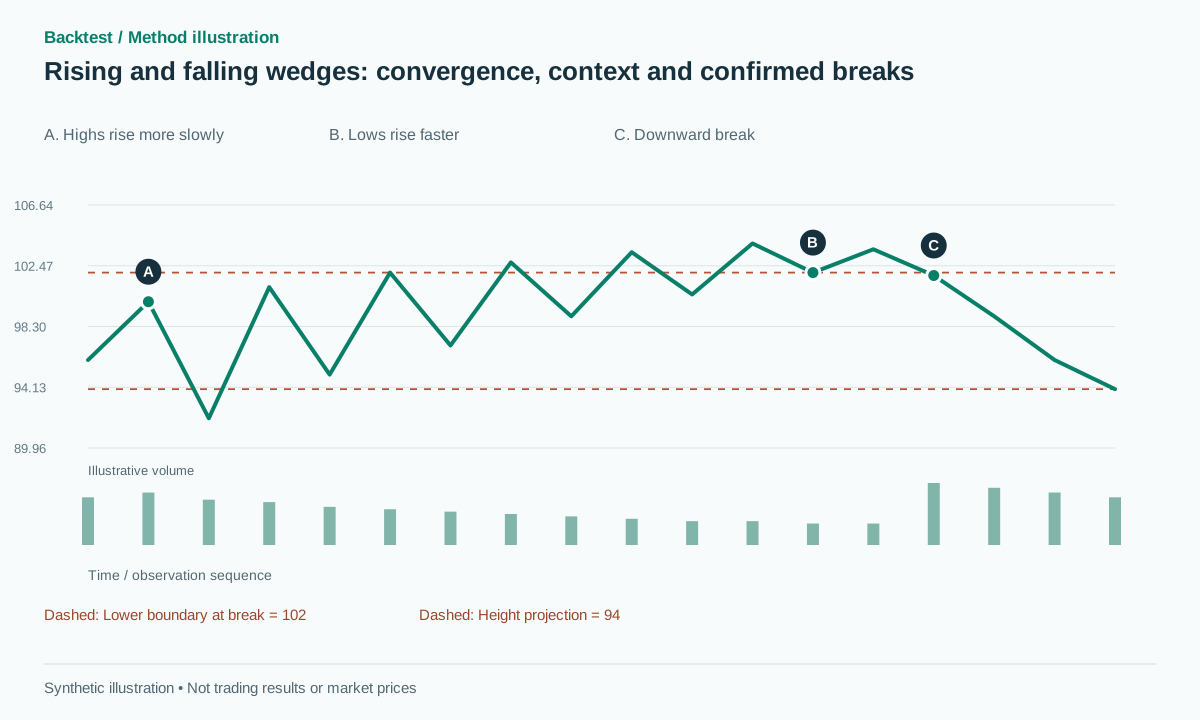
Distinguish wedges from channels using normalized slopes and contraction, then define causal breakout timing, volume tests, structural stops and failure cases.
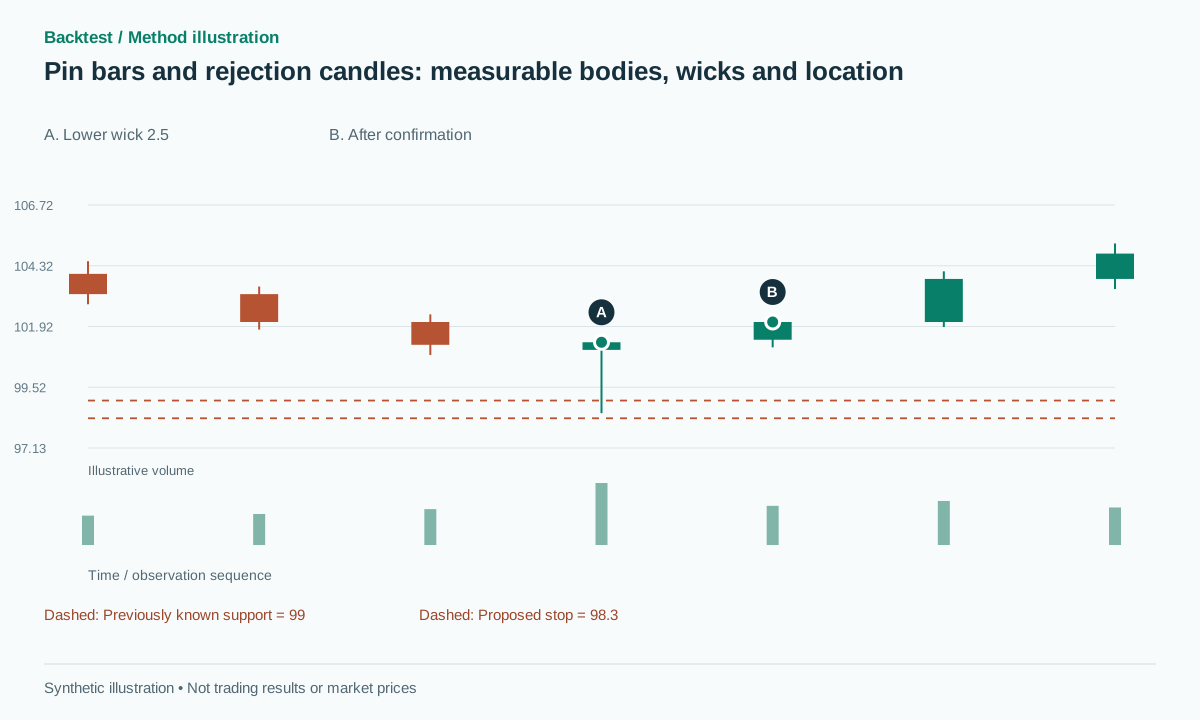
Define pin bars from OHLC ratios and pre-existing zones, then test volume, entry timing, structural stops and failed signals without inventing order flow.
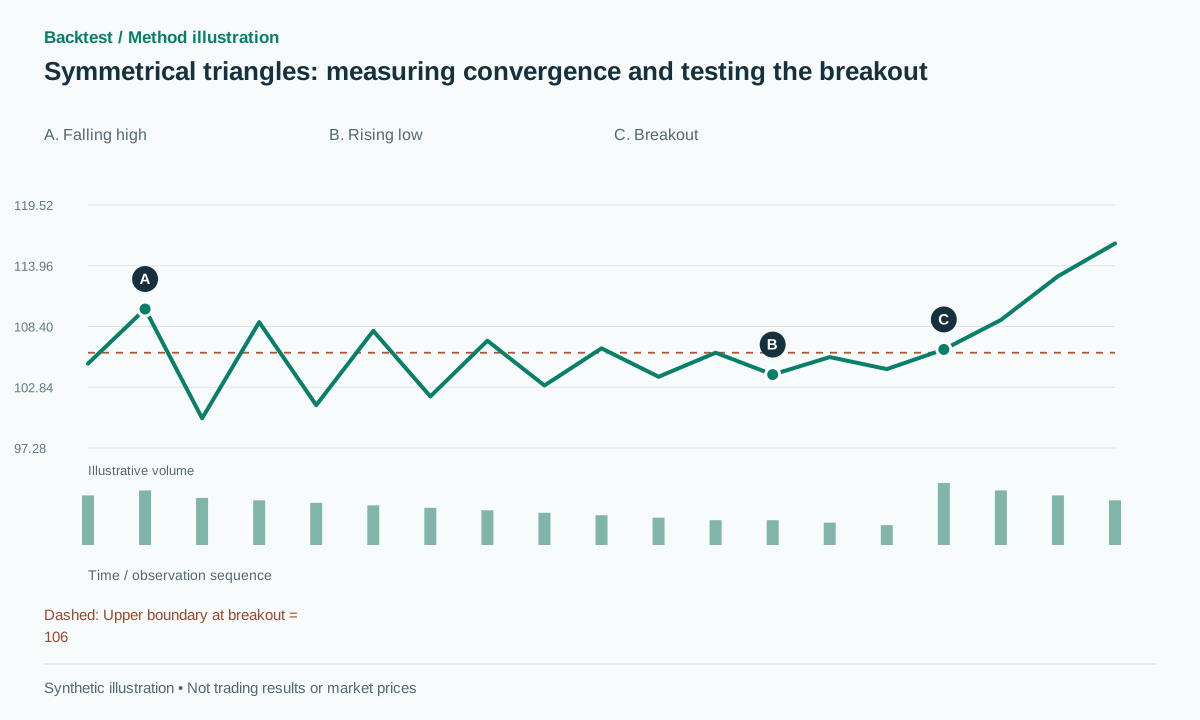
Build a symmetrical-triangle detector with confirmed pivots, frozen boundaries and apex timing, then test volume, stops and breakout outcomes without look-ahead.
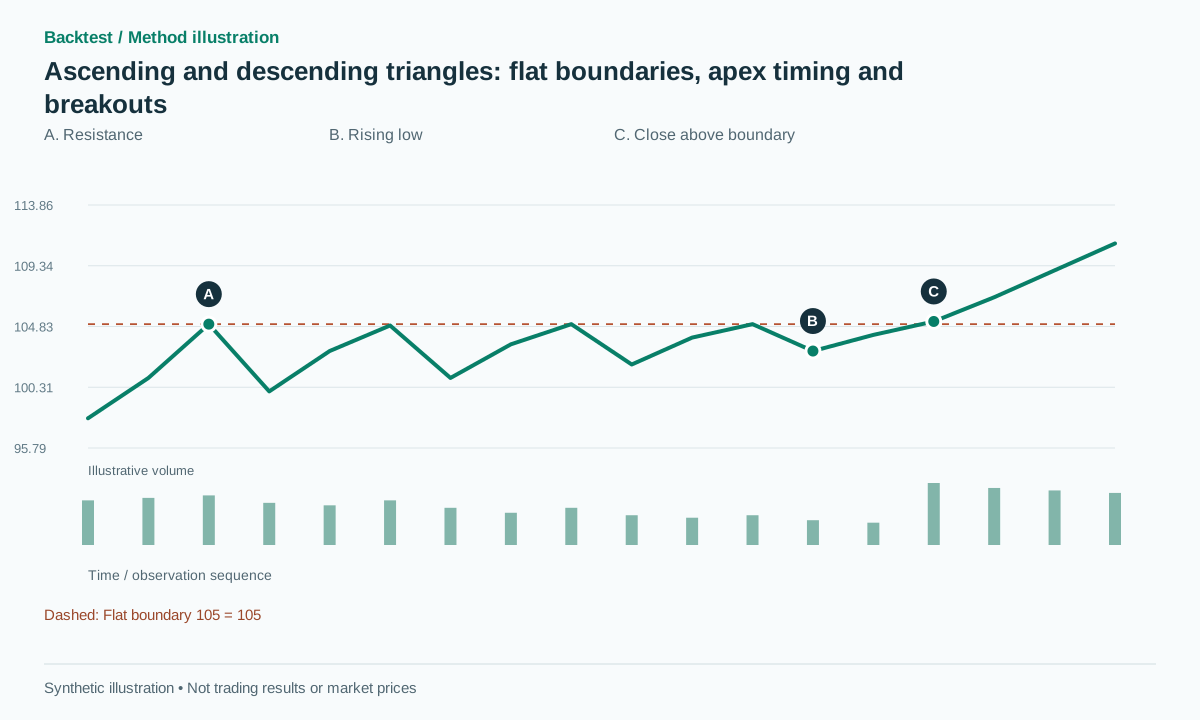
Define ascending and descending triangles with confirmed boundaries, contraction ratios and frozen apex timing, then test breakout direction and volume.
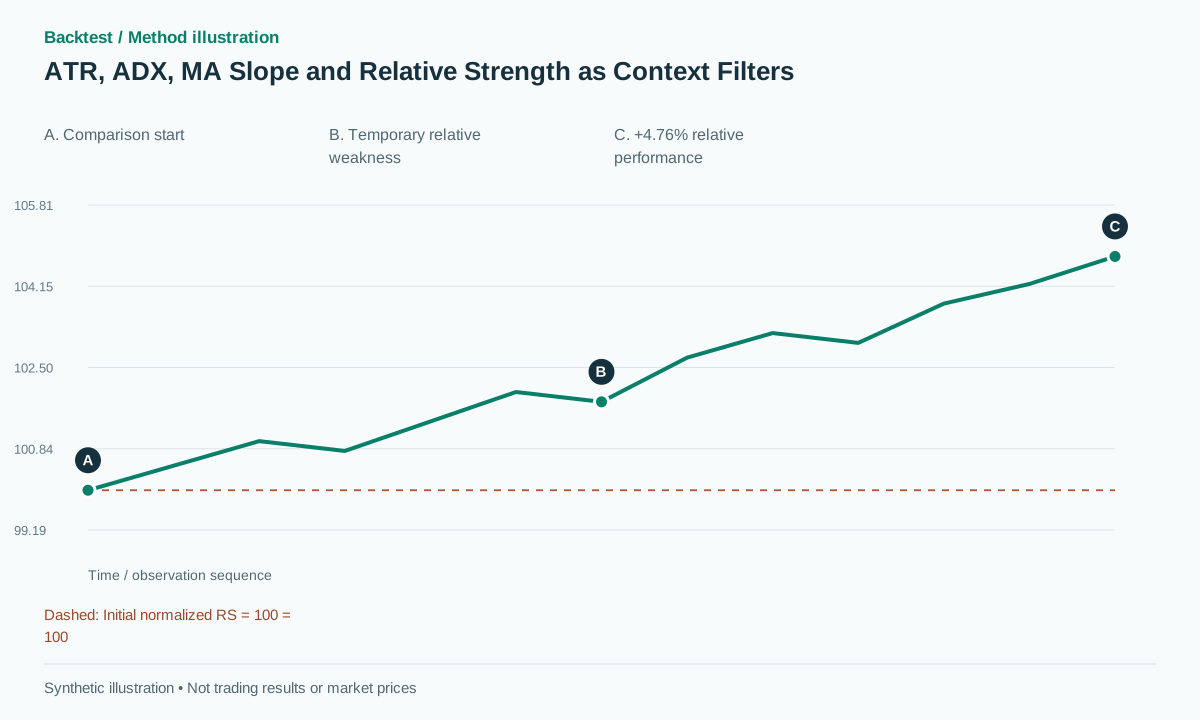
Define normalized ATR, moving-average slope, ADX and benchmark-relative strength, with causal alignment, worked examples and tests of each filter’s contribution.
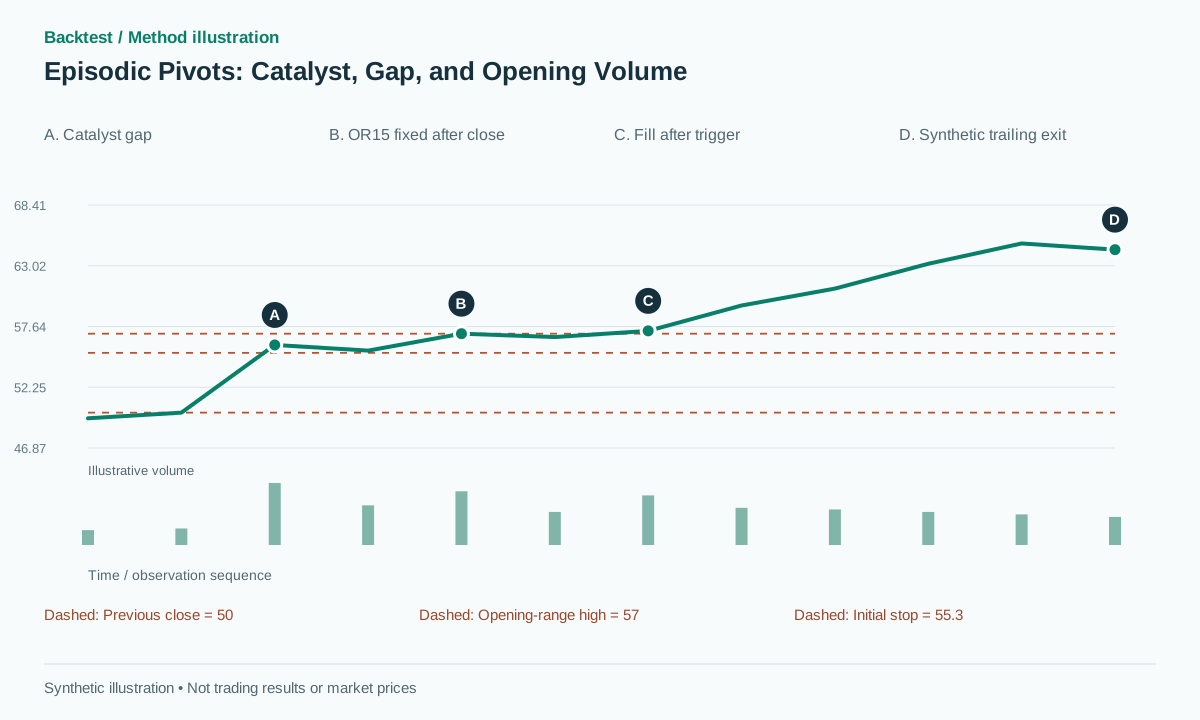
Separate Qullamaggie’s public EP rules from a testable OR15 variant with timestamped catalysts, opening volume, realistic stops, and scheduled trailing exits.
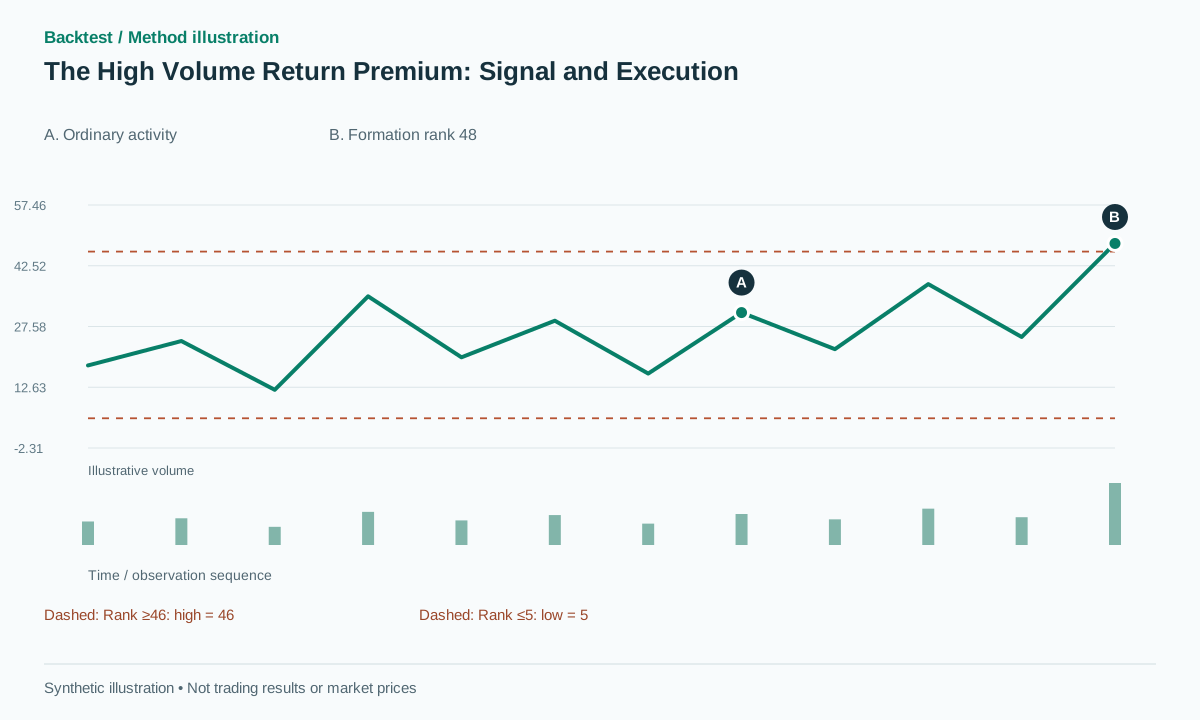
Study abnormal dollar-volume ranks, matched long-short portfolios, limit-order execution and the difference between reported return premiums and net account gains.
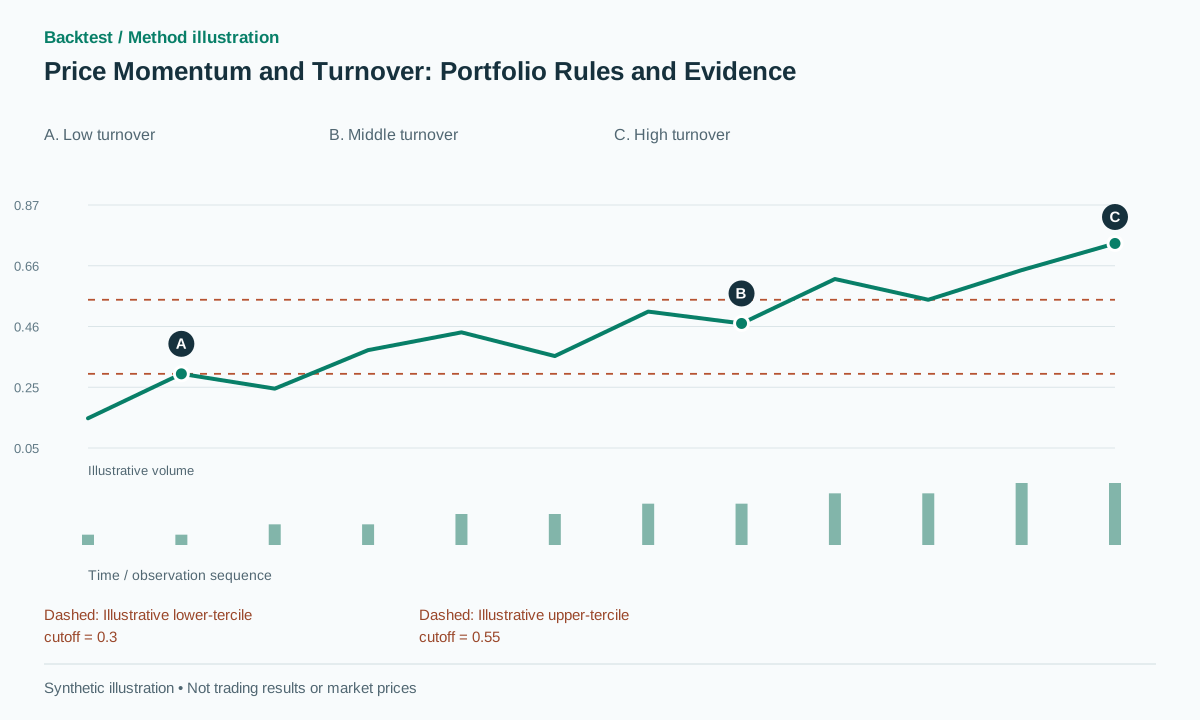
Build a causal momentum-turnover research portfolio, distinguish early and late momentum, handle overlapping cohorts, and interpret published returns correctly.
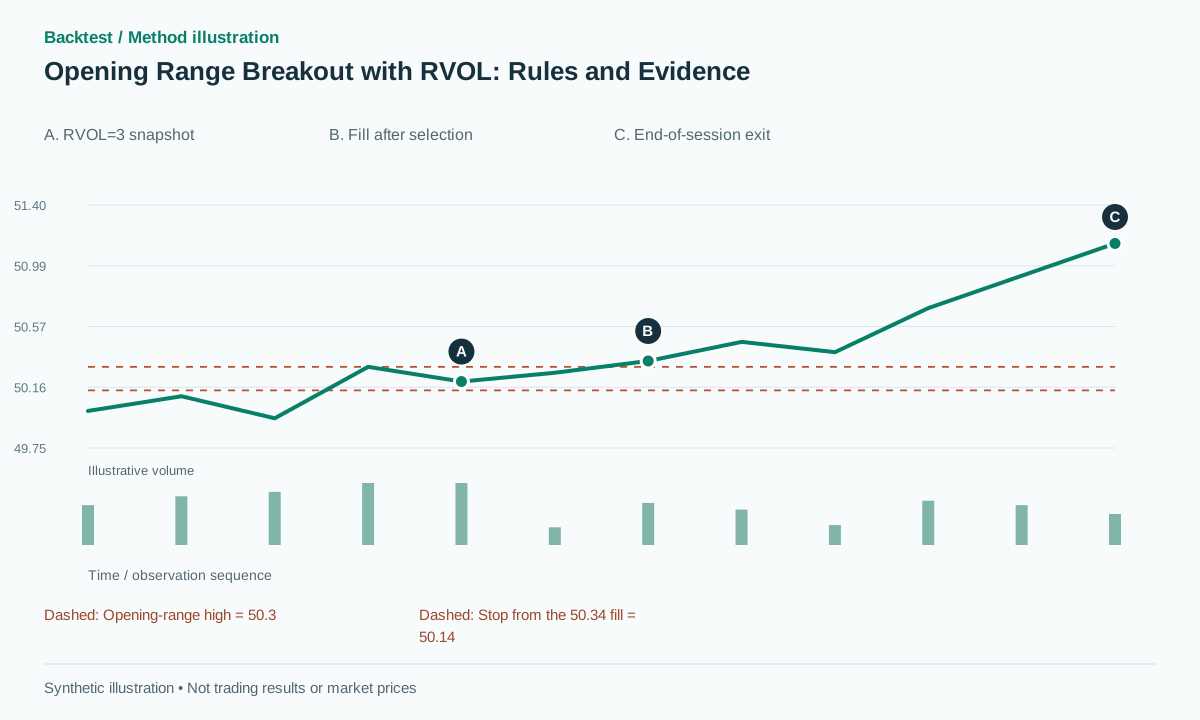
Research the five-minute ORB with relative volume, including stock selection, causal order timing, portfolio sizing, published results and execution tests.
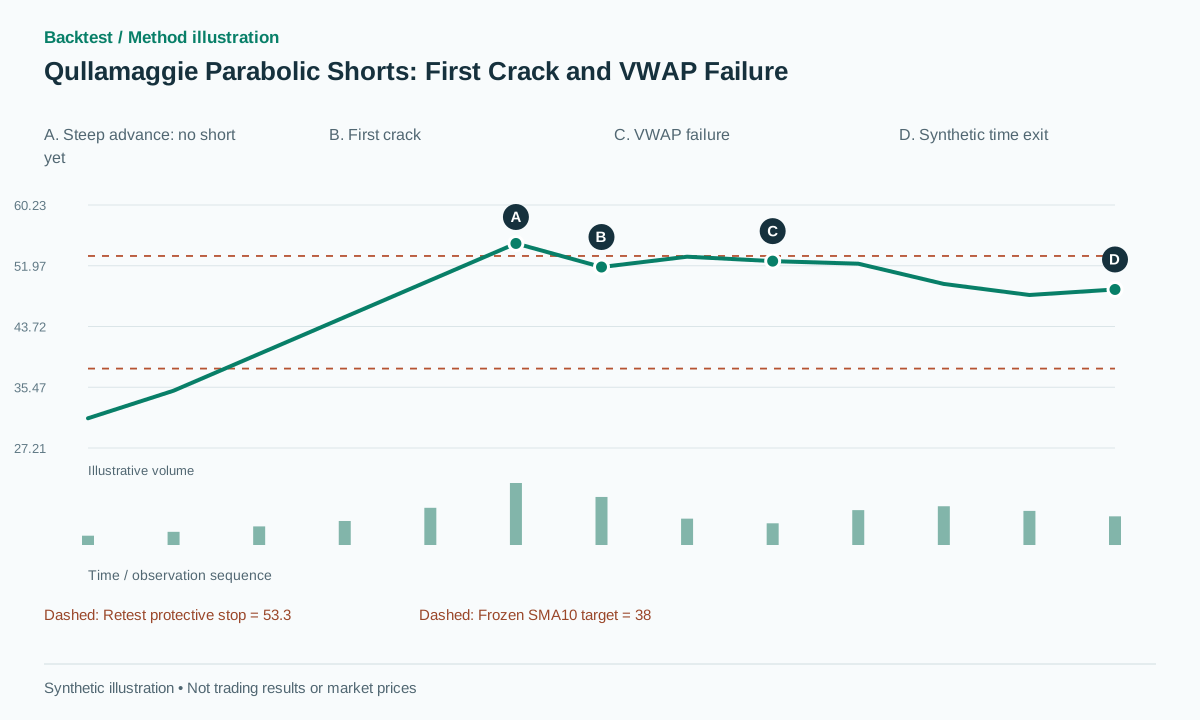
Translate the public parabolic-short idea into a testable first-crack and VWAP-failure variant, with historical borrow, gap fills, and squeeze-loss examples.
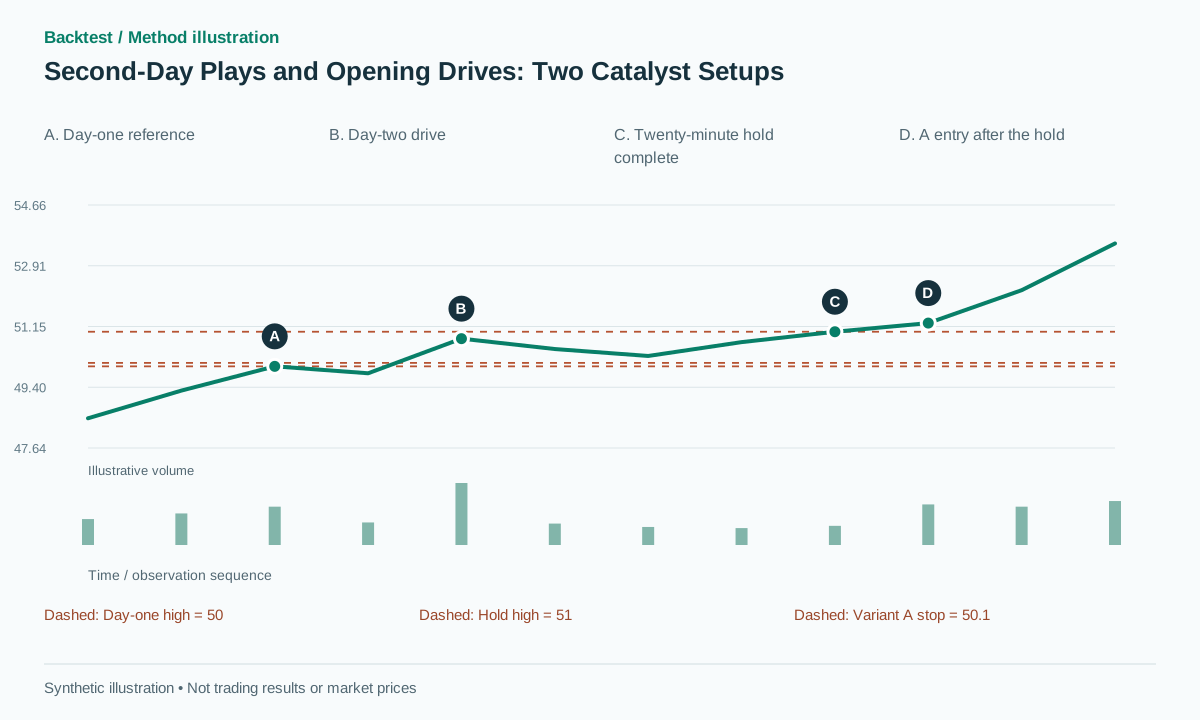
Separate second-day continuation from a fresh-news opening drive, with causal volume windows, hold and pullback rules, executable entries, and numerical cases.
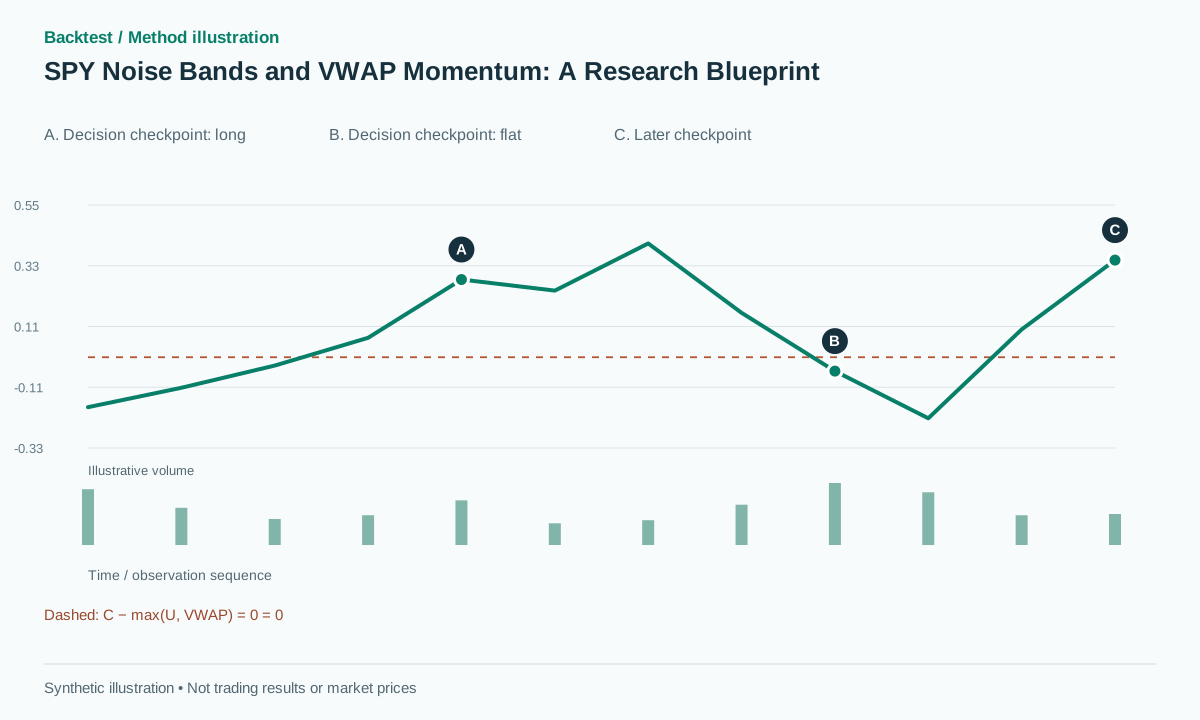
Understand SPY intraday noise bands, VWAP confirmation, volatility sizing and the exact scope of published returns, with causal rules and execution examples.
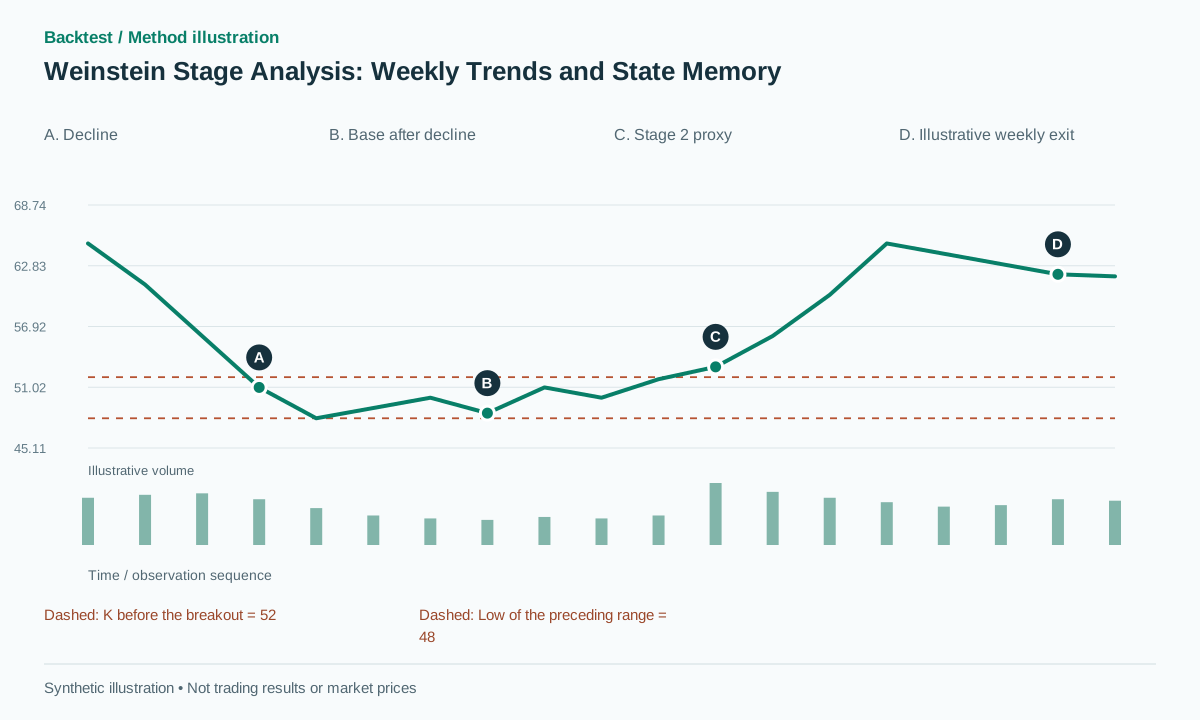
Build a causal Stage Analysis proxy using completed weeks, a 30-week average, trend memory and breakout volume, with numerical examples and testable exits.
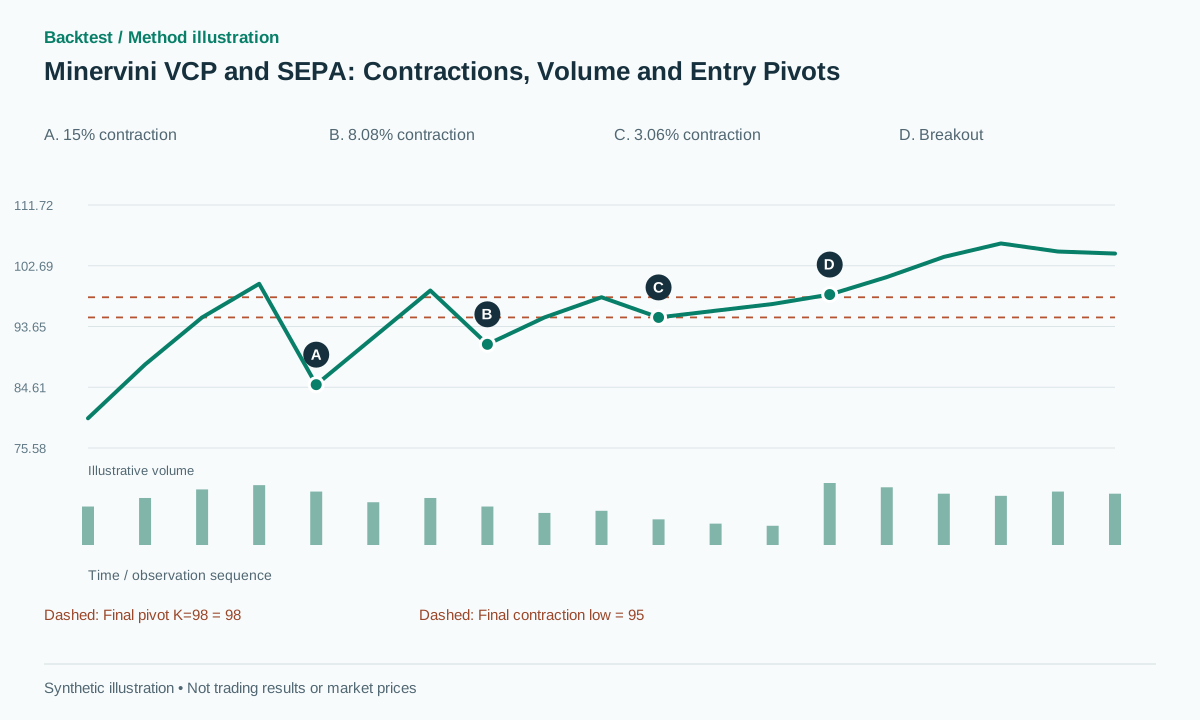
Research VCP with causal swing detection, shrinking corrections, volume dry-up, breakout confirmation and realistic exits; separate account returns from setup evidence.
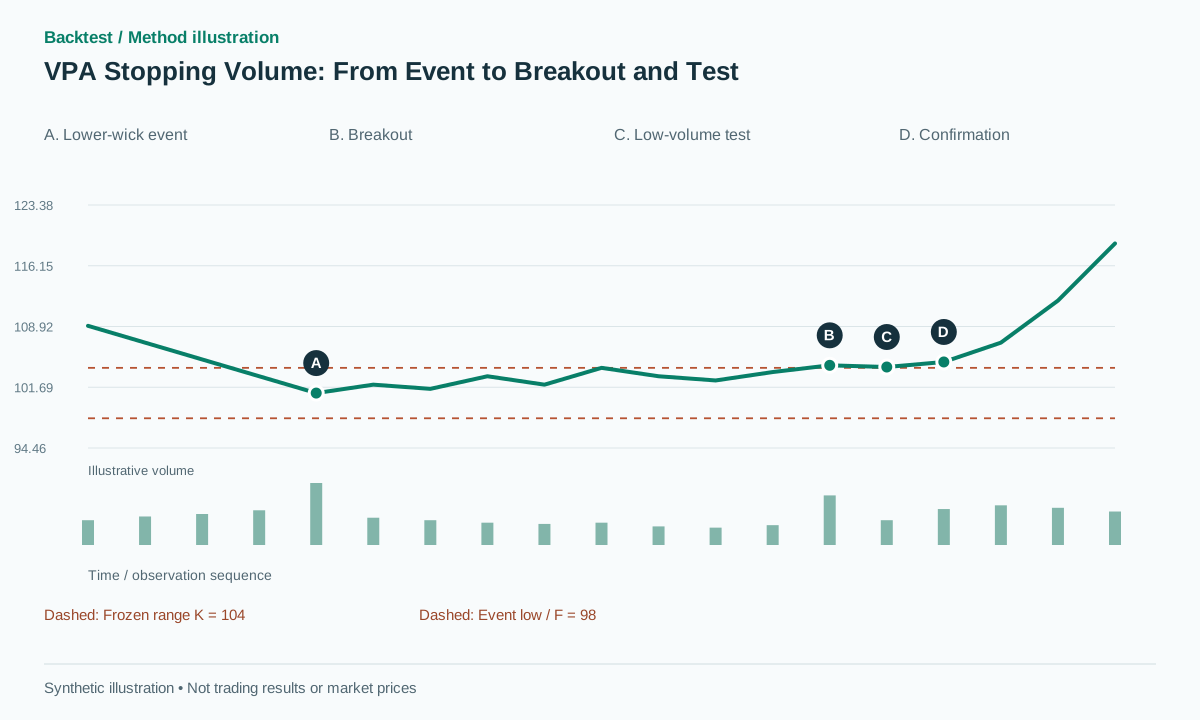
Model stopping volume as a sequence of decline, event, range, breakout and low-volume test, with causal timing, numerical examples and explicit invalidation.
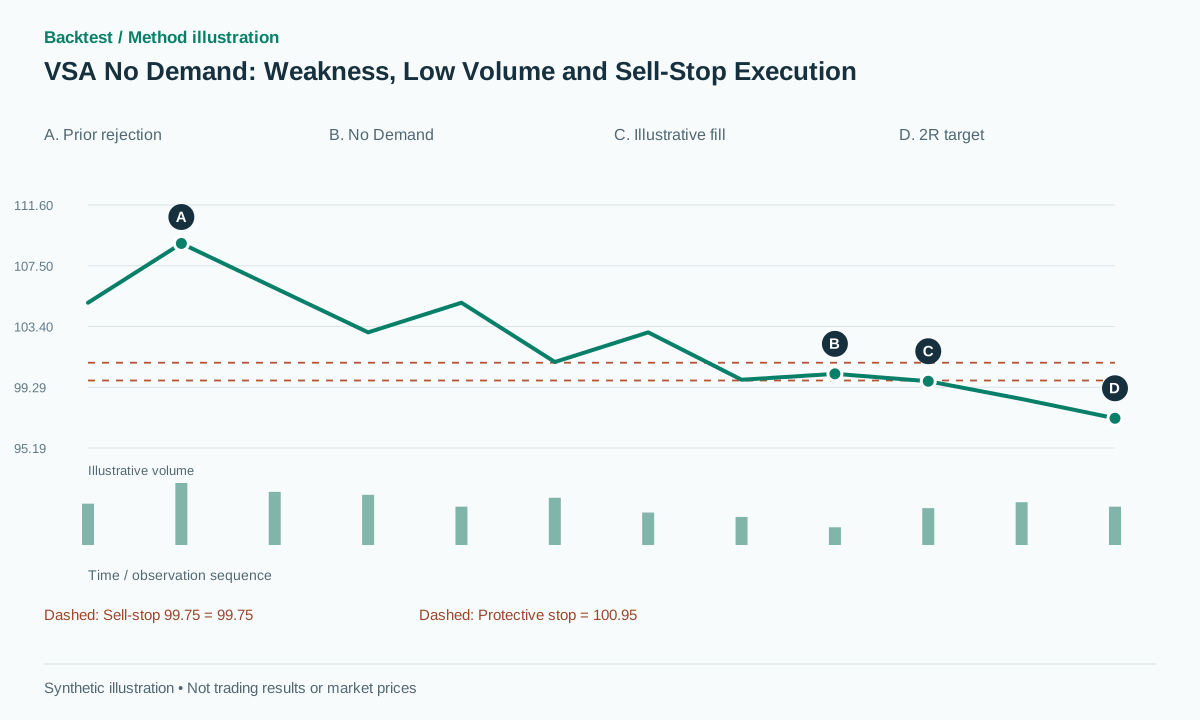
Translate No Demand into causal rules: distinguish up bars from green candles, define weakness, place sell-stops and model gaps without inventing perfect fills.
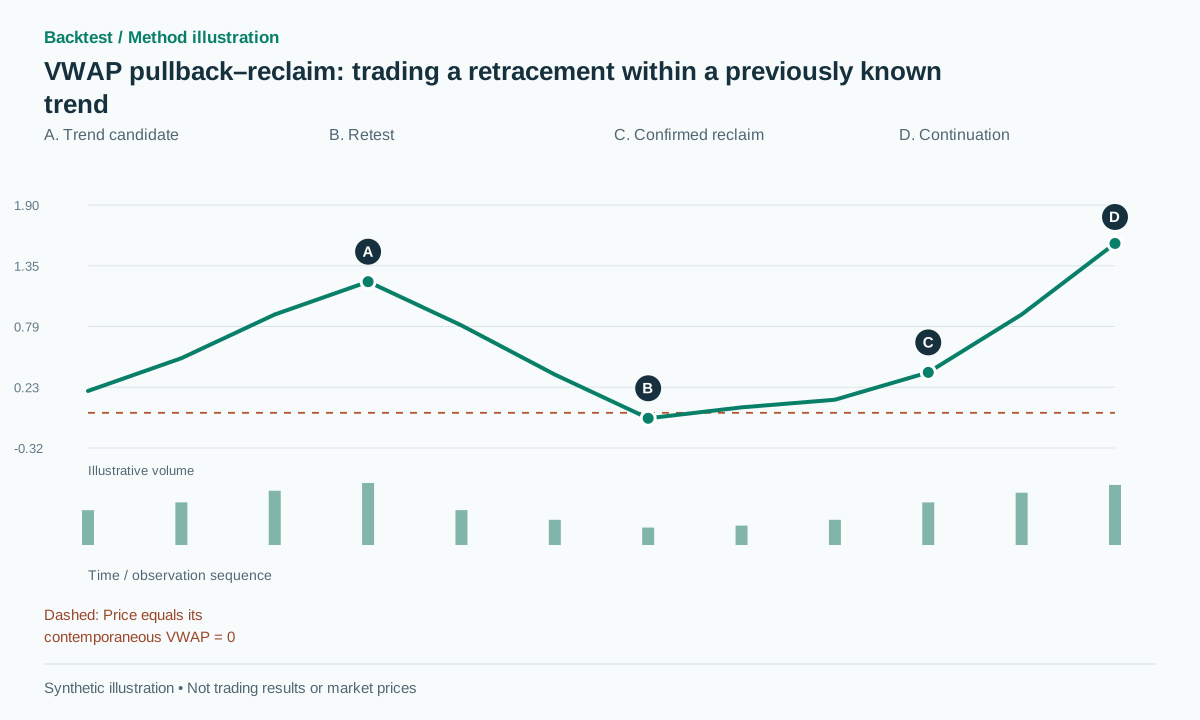
Combine a rising VWAP, relative volume and a defined pullback, with fixed anchors, causal confirmation and execution-aware comparisons to price-only entries.
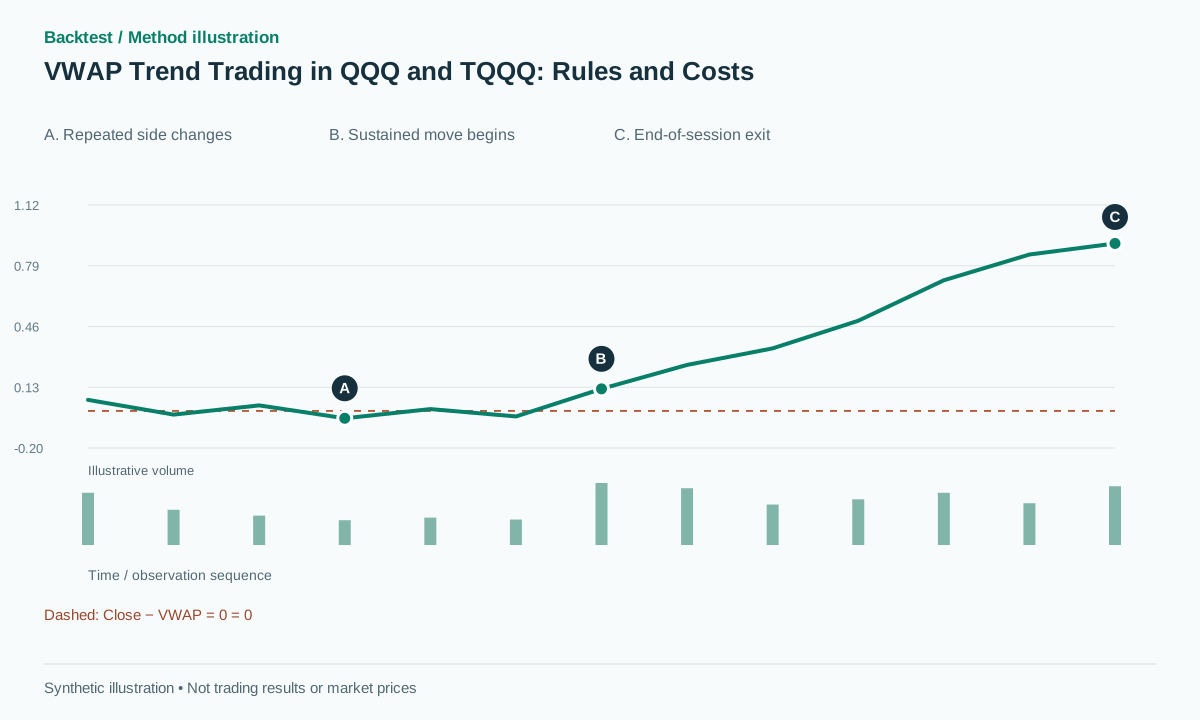
Examine a minute-by-minute VWAP reversal strategy for QQQ and TQQQ, its published backtest, low win rate, leverage mechanics and execution sensitivity.
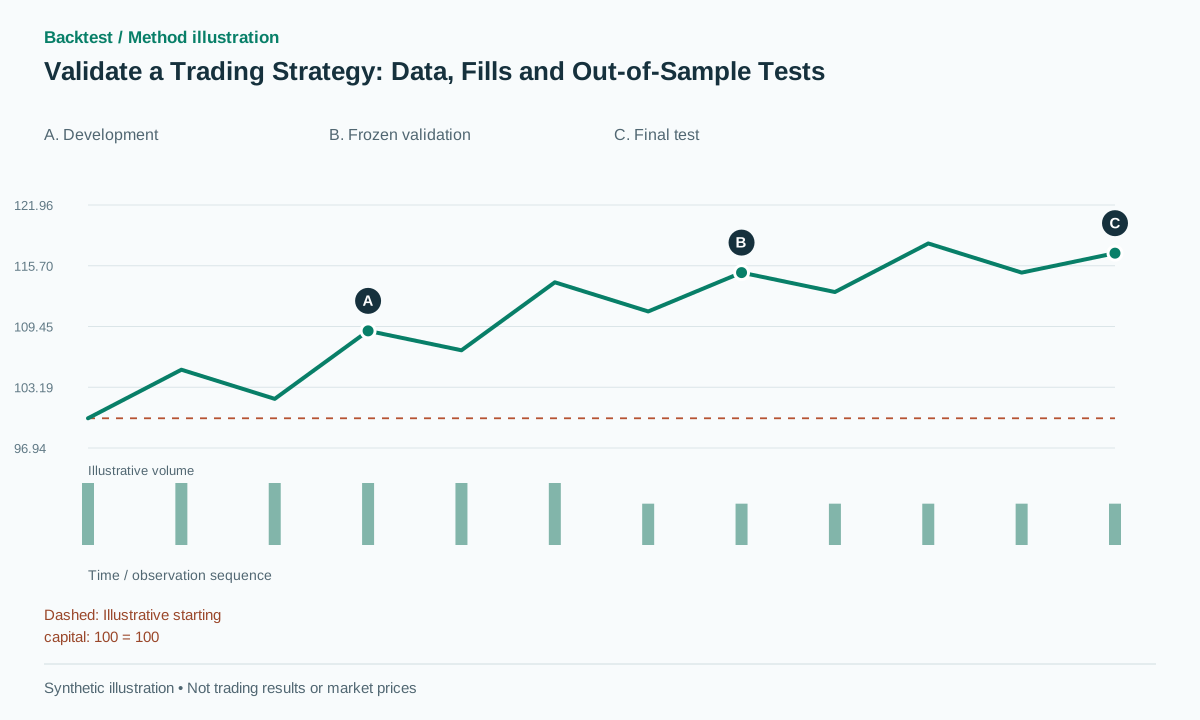
A rigorous workflow for testing price action and volume strategies: point-in-time data, causal signals, realistic fills, risk sizing, walk-forward tests and evidence.
6 sources · Algorithm, diagrams and checklist
How to use this research library
Test each method with suitable data and realistic costs. A conceptual explanation, a backtest and a profitable account are different kinds of evidence.